Back to Blog

AI Room Design: 50+ Ideas to Transform Any Space Into Your Dream Home

18 min read
AI Room Design: Transform Any Space Into Your Dream Home

Introduction

Imagine transforming your entire bedroom from drab to dream-worthy in minutes. No hiring expensive interior designers. No endless Pinterest boards. No second-guessing color schemes.

With AI room design, this isn't imagination anymore—it's reality.

The interior design industry is undergoing a radical transformation. The AI Interior Design Market Size was worth USD 1.47 billion in 2024 and is projected to reach USD 6.96 billion by 2032, expanding at a remarkable rate. Whether you're a homeowner tired of your living room layout, a renter seeking design inspiration without commitment, or an interior designer looking to impress clients faster, AI-powered room design tools are changing everything.

This guide explores 50+ proven AI room design ideas, emerging design trends, and practical strategies to transform any room from ordinary to extraordinary—all with artificial intelligence doing the heavy lifting.

What is AI Room Design? (And Why It Works)

Definition and Core Technology

AI room design is the use of artificial intelligence, machine learning, and computer vision to automatically generate interior design concepts, furniture arrangements, color palettes, and spatial optimizations. You upload a photo of your room, specify your preferred design style, and the AI analyzes the space using advanced algorithms to generate multiple design variations in seconds.

AI algorithms can generate up to 1,000 design variations in under an hour, something that would take a traditional designer weeks or months to accomplish.

Why AI Room Design Is Effective

Speed and Efficiency: Traditional interior design projects average 8–16 weeks from concept to completion. AI room design delivers instant results. You see your options within seconds, not months.

Cost Accessibility: Professional interior designers charge $50–$150+ per hour, with total project costs ranging from $5,000 to $50,000+ for comprehensive redesigns. AI room design platforms offer solutions at a fraction of that cost.

Personalization at Scale: These technologies streamline the design process by automating space planning, color matching, and furniture placement, reducing time and costs while enhancing overall design quality.

Data-Driven Decisions: Rather than relying solely on a designer's subjective taste, AI incorporates design principles, current trends, user feedback data, and spatial mathematics—resulting in rooms that are both beautiful and functional.

Visualization Before Implementation: The most significant advantage: you see exactly what your room will look like before spending a single dollar on furniture or paint. This eliminates buyer's remorse entirely.

Popular Design Styles for Room Redesigns

Popular Design Styles for Room Redesigns

Understanding different design styles is crucial for selecting the right direction for your space. Here are the most popular and implementable styles in 2025.

Modern and Contemporary

Modern and Contemporary Design

Modern design emphasizes clean lines, minimalist aesthetics, and functional beauty. Contemporary design is its forward-thinking cousin, constantly evolving with current trends and artistic movements.

  • Neutral or bold color palettes with high contrast
  • Sleek furniture with geometric shapes
  • Minimal ornamentation
  • Emphasis on open space and negative space
  • Materials: metal, glass, polished wood
  • Lighting: statement fixtures and clean architectural lighting

Best For: Minimalists, tech-forward homeowners, urban apartments, those seeking a clutter-free aesthetic.

AI Design Advantage: AI excels at modern design because it's rule-based. Clean lines, proportional spacing, and balanced color distribution are concepts AI algorithms understand naturally.

Bohemian and Eclectic

Bohemian and Eclectic Design

Bohemian celebrates artistic expression, cultural influences, and collected pieces that tell a personal story. This style is less about rules and more about authenticity.

  • Layered textures (macramé, woven fabrics, natural fibers)
  • Warm earth tones with pops of jewel tones
  • Mixed patterns and cultural artifacts
  • Natural materials (wood, leather, ceramics)
  • Comfortable, lived-in aesthetic
  • Houseplants and natural elements throughout

Minimalist and Clean

Minimalist and Clean Design

Minimalism has evolved significantly. The fastest-growing segment is Minimalist design, driven by rising consumer preference for functional, space-efficient, and clutter-free interiors.

  • "Less is more" philosophy
  • Neutral color palettes (whites, grays, beiges, soft earth tones)
  • Functional furniture that serves multiple purposes
  • Uncluttered surfaces and hidden storage
  • Quality over quantity in all pieces
  • Calm, serene atmosphere

Industrial and Raw

Industrial and Raw Design

Industrial style celebrates architectural honesty—exposed brick, metal beams, concrete floors, and warehouse aesthetics translated into livable spaces.

  • Raw, unfinished materials
  • Metal accents and fixtures
  • Exposed brick, concrete, or beams
  • Vintage or reclaimed furniture
  • Muted color palette (grays, blacks, browns)
  • Large open spaces with high ceilings
  • Utilitarian aesthetics mixed with comfort

Luxury and Glamorous

Luxury and Glamorous Design

Luxury design celebrates opulence, quality craftsmanship, and timeless elegance. Gold, bronze, and copper tones bring a touch of luxury to interiors and remain highly relevant.

  • High-quality materials and finishes
  • Rich color palettes (jewel tones, metallics, deep jewel tones)
  • Statement lighting and art
  • Symmetry and classical proportions
  • Luxurious textures (velvet, marble, silk)
  • Curated collections and statement pieces

Room-by-Room Design Ideas

Living Room Design Ideas

Living Room Design Ideas

The living room is where transformation matters most. It's your sanctuary and your entertainment hub. Here are AI-powered living room transformations to consider:

  • The Minimalist Living Room Retreat — Transform a cluttered living room into a calm Japandi space with low-profile seating, warm wood tones, and minimal décor
  • The Maximalist Gallery — Convert a plain living room into an art-forward space with gallery walls, bold patterns, and curated collections
  • The Tech-Integrated Smart Home — Design a modern living room with hidden technology, wireless charging furniture, and voice-controlled ambient lighting
  • The Warm Neutral Haven — Create a cozy living room with layered textures, earthy tones, and comfortable oversized seating
  • The Color-Blocked Living Room — Use saturated monochromatic color schemes to define zones and create visual interest
  • The Vintage Modern Blend — Mix mid-century modern furniture with contemporary accents for an eclectic, curated aesthetic
  • The Biophilic Living Room — Design a nature-connected space with abundant plants, natural materials, and earth tones
  • The Statement Lighting Room — Feature sculptural lighting as the focal point, supported by minimalist furnishings that don't compete

Bedroom Design Ideas

Bedroom Design Ideas

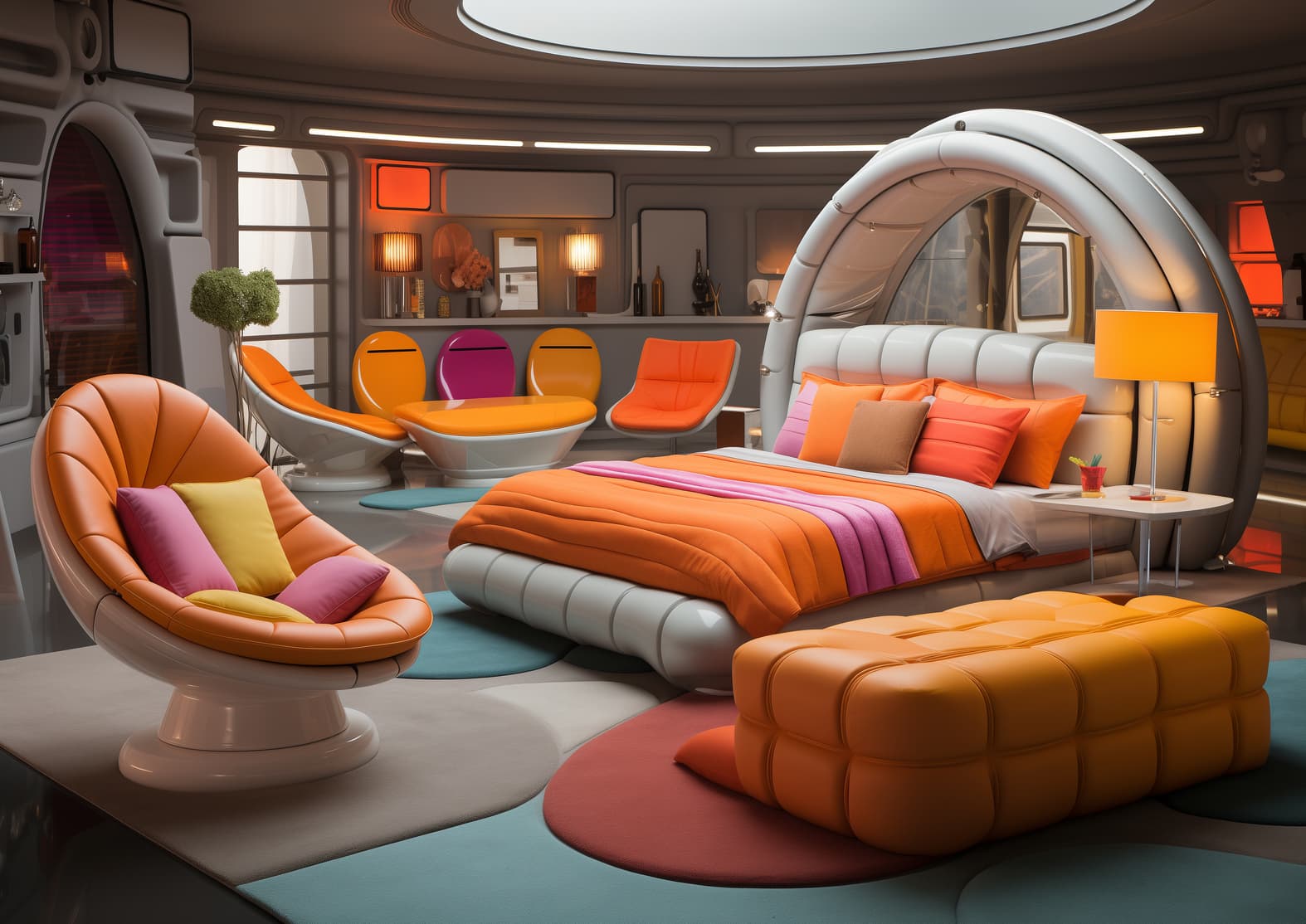
Your bedroom should be a sanctuary that supports rest, relaxation, and personal rejuvenation. AI-powered bedroom transformations include:

  • The Luxury Master Suite — Create a hotel-quality bedroom with quality bedding, layered lighting, and a sophisticated color palette
  • The Minimalist Sleep Sanctuary — Design a clutter-free bedroom that promotes rest with neutral colors and essential furniture only
  • The Warm Scandinavian Bedroom — Incorporate soft textures, light wood, and cozy elements with a Japandi aesthetic
  • The Jewel-Toned Retreat — Feature emerald, sapphire, or amethyst accent walls with complementary metallic accents
  • The Modern Cottage Bedroom — Blend English cottage charm with contemporary simplicity
  • The Wellness-Focused Bedroom — Design a space that promotes better sleep with optimal lighting, air quality, and calming colors
  • The Bohemian Bedroom Escape — Create a textured, artistic space with macramé, woven elements, and personal collections
  • The Gender-Neutral Contemporary Bedroom — Design an inclusive space with clean lines and balanced color proportions

Kitchen Design Ideas

Kitchen Design Ideas

The kitchen has evolved beyond cooking space into a multifunctional gathering hub. AI-powered kitchen transformations include:

  • The Modern Farmhouse Kitchen — Blend rustic elements with contemporary functionality
  • The Luxury Contemporary Kitchen — Feature high-end materials, statement lighting, and seamless appliance integration
  • The Sustainable Eco-Kitchen — Design with reclaimed materials, bamboo elements, and energy-efficient fixtures
  • The Open-Concept Social Kitchen — Create an island-focused space that encourages gathering and conversation
  • The Minimalist Scandinavian Kitchen — Design with clean lines, light woods, and hidden storage maximization
  • The Industrial Chef's Kitchen — Combine exposed brick, metal fixtures, and professional-grade appliances
  • The Warm Wood Traditional Kitchen — Feature quality cabinetry, warm tones, and timeless elegance
  • The Smart Tech Kitchen — Integrate IoT appliances, smart lighting, and voice-controlled features

Budget Room Design: Maximize ROI on Every Dollar

Budget Room Design: Maximize ROI on Every Dollar

The biggest misconception about interior design is that transformation requires significant investment. AI room design changes this equation entirely.

The Budget-Friendly Approach

Tier 1: Under $500

  • Paint accent walls (highest impact, lowest cost)
  • Rearrange existing furniture for better flow
  • Add mirror and lighting to maximize space perception
  • Introduce textiles (throw pillows, rugs, blankets)
  • Bring in plants for biophilic design elements

Tier 2: $500–$2,000

  • Invest in 1–2 statement furniture pieces
  • Professional-quality lighting fixtures
  • Area rug that anchors the space
  • Fresh paint throughout
  • Quality window treatments

Tier 3: $2,000–$5,000

  • Replace 3–4 major furniture pieces strategically
  • Complete lighting overhaul with layered lighting strategy
  • Flooring updates or high-quality area rugs
  • Built-in shelving or storage solutions
  • Art and decorative collections

Tier 4: $5,000+

  • Comprehensive furniture refresh
  • Architectural changes (built-ins, accent walls with texture)
  • Professional artwork and collections
  • Premium materials and finishes
  • Integrated smart home technology

ROI Strategy for AI-Designed Spaces

Highest ROI design changes when using AI:

  • Lighting: 200–300% ROI through perception shifts alone
  • Paint Color: 106% ROI according to staging studies
  • Decluttering: 50% ROI through spatial perception improvements
  • Strategic Furniture Arrangement: 150% ROI through functionality gains
  • Mirror Placement: 180% ROI through space expansion perception

When you use AI-powered design tools, you're not guessing. You're seeing exactly which $500 change yields the most dramatic transformation before spending a dime.

Color Palettes for Every Style

Color Palettes for Every Style

Color selection is where AI truly excels. Human intuition often fails us, but AI analyzes color harmony, psychology, and current trends simultaneously.

Earthy and Warm Palettes (2025's Dominant Trend)

Earthy colors are transforming homes into sanctuaries of warmth and serenity. Chocolate brown takes center stage, accompanied by deep reds, burgundies, and natural tones like sage green and soft blue.

  • Palette 1 — Warm Neutral: Base: Cream, soft taupe, warm beige. Accents: Warm gold, soft terracotta, natural wood tones. Best for: Modern farmhouse, transitional, Scandinavian
  • Palette 2 — Deep Earthy: Base: Chocolate brown, warm gray. Accents: Sage green, terracotta, warm metallic gold. Best for: Luxury, traditional, comfort-focused spaces
  • Palette 3 — Soft Minimalist: Base: Off-white, light gray, soft greige. Accents: Warm taupe, natural wood, soft black. Best for: Japandi, contemporary, minimalist

Jewel Tone Palettes

Rich jewel tones that have been ruling interior design in recent years will remain relevant in 2025. Emerald green, sapphire blue, and amethyst purple fit many decor styles.

  • Palette 4 — Emerald Dream: Base: Cream or soft white. Feature: Deep emerald green. Accents: Gold metallics, natural wood. Best for: Luxury, eclectic, maximalist
  • Palette 5 — Sapphire Sophistication: Base: Light gray or warm white. Feature: Deep sapphire blue. Accents: Silver metallics, natural stone. Best for: Contemporary, luxury, calm spaces

Bold and Saturated

Bold, saturated colors are making a comeback. Color-drenched rooms use a single hue in varying shades to create a cohesive and impactful look.

  • Palette 6 — Monochromatic Bold: Primary: One saturated color (navy, forest green, burgundy). Variations: Lighter and darker shades of same hue. Neutrals: Cream, soft white for balance. Best for: Modern, maximalist, statement-focused

Common Room Design Mistakes (And How AI Prevents Them)

Even well-intentioned redesigns can fail. Here are the most common pitfalls and how AI-powered design helps you avoid them.

Mistake 1: Ignoring Space Proportions

The Problem: Oversized furniture in small rooms or undersized pieces in spacious areas creates visual imbalance and reduces functionality.

How AI Fixes It: AI analyzes your room dimensions and automatically scales furniture recommendations proportionally, understanding the relationship between space and furniture.

Mistake 2: Poor Lighting Layering

The Problem: Relying on a single overhead light creates harsh shadows, poor ambiance, and compromises functionality.

How AI Fixes It: AI recommends three-layer lighting strategies: ambient (general illumination), task (functional lighting), and accent (atmospheric enhancement).

Mistake 3: Color Coordination Failures

The Problem: Colors that seem right individually clash when combined, or the color palette feels random and disconnected.

How AI Fixes It: AI analyzes color psychology, undertones, and contemporary trends, ensuring every color works harmoniously. Pro Tip: Go monochrome with pastels, or use neutral accents to balance intensity.

Mistake 4: Neglecting Functional Flow

The Problem: Beautiful designs that don't support how you actually live in the space—furniture blocking movement, poor traffic patterns, inadequate storage.

How AI Fixes It: AI understands spatial flow and human movement patterns, placing furniture to optimize traffic patterns while maintaining aesthetic appeal.

Mistake 5: Overwhelming Visual Complexity

The Problem: Too many patterns, colors, textures, and styles create visual chaos that's exhausting rather than inspiring.

How AI Fixes It: AI applies design principles like the 60-30-10 rule (60% dominant color, 30% secondary, 10% accent), preventing overwhelming designs while maintaining interest.

How to Choose Your Design Style

Selecting the right design style is foundational. Here's how to navigate the decision systematically.

Step 1: Assess Your Lifestyle

  • Cleanliness Priority: Do you prefer spotless, minimal environments or lived-in, collected spaces?
  • Time for Maintenance: Are you willing to clean and organize constantly, or do you need low-maintenance designs?
  • Activity Level: Is your space host-friendly and entertainment-focused, or do you prefer quiet, personal sanctuaries?
  • Work Integration: Do you work from home requiring functional workspace integration?
  • Family Requirements: Are there children, pets, or elderly family members with specific needs?

Step 2: Analyze Your Space Constraints

  • Room dimensions and ceiling height
  • Natural light availability and quality
  • Existing architectural features (fireplace, built-ins, unusual walls)
  • Structural limitations (rental vs. owned, modification restrictions)
  • Current furniture you plan to keep

Step 3: Test with AI Visualization

This is where AI room design becomes invaluable. Rather than committing to a style intellectually, visualize it in your actual space:

  • Upload photos of your room to an AI design platform
  • Apply different style templates to see real results
  • Assess how styles actually feel in your space (not just on Pinterest)
  • Identify which visualizations create emotional reactions

Step-by-Step Guide: How to Redesign Your Room Using AI

Step-by-Step Guide to AI Room Design

Step 1: Prepare Your Space (15 minutes)

  • Clear clutter that doesn't represent your actual living style
  • Ensure good natural lighting by opening all curtains/blinds
  • Take photos from multiple angles: standing height, room corners, doorway entrance
  • Capture ceiling height and any architectural features
  • Note actual room dimensions in feet or meters (measure at least length, width, ceiling height)

Step 2: Select Your AI Platform (5 minutes)

Popular AI room design platforms in 2025:

  • Decory.ai — User-friendly, instant transformations, furniture shopping integration
  • RoomGPT — Advanced style options, multiple room types
  • Interior AI — Professional-grade rendering, commercial use options
  • Planner 5D — DIY and AI-powered options, full 3D capabilities

Step 3: Upload and Input Dimensions (10 minutes)

  • Select clearest, best-lit photo
  • Ensure the photo shows full room scope
  • Measure room length and width; note ceiling height
  • Identify any existing furniture or features you're keeping
  • Specify any architectural constraints (awkward walls, small windows, etc.)

Step 4: Select Your Design Style (10 minutes)

  • Start with your intuitive preference
  • Add one contrasting style for comparison
  • Include one trending style
  • Don't overthink—you'll see results quickly

Step 5: Generate and Analyze (5 minutes per generation)

  • View AI-generated results from multiple angles if available
  • Assess color palette: Does it feel right?
  • Evaluate furniture scale: Does it fit proportionally?
  • Check spatial flow: Can you move through the room naturally?
  • Examine lighting: Does it feel bright and welcoming?

Step 6: Implement in Phases

Phase 1 (Week 1–2): $0–$500

  • Paint walls (highest impact)
  • Rearrange existing furniture
  • Add lighting (lamps, bulbs)
  • Introduce textiles (pillows, throws, rugs)

Phase 2 (Week 3–6): $500–$2,000

  • Purchase major lighting fixture
  • Invest in area rug
  • Add one key furniture piece
  • Introduce decorative elements

Phase 3 (Month 2–3): $2,000+

  • Replace additional furniture as budget allows
  • Install built-ins or structural improvements
  • Add art and decorative collections
  • Invest in premium materials

FAQ: 8 Essential Questions About AI Room Design

FAQ 1: Is AI Room Design Actually Accurate?

AI visualization is approximately 85–90% accurate in terms of color, scale, and spatial relationships. The accuracy depends on photo quality, room dimensions you input, and realistic furniture options selected within the platform.

FAQ 2: Can I Use AI Design if I'm Renting?

Absolutely. AI room design excels for renters. You can design entire transformations using paint, removable wallpaper, furniture arrangement, temporary lighting solutions, area rugs and textiles. AI can specifically generate "renter-friendly" designs that maximize visual impact without permanent alterations.

FAQ 3: How Much Does AI Room Design Cost?

  • Free Tier: 1–3 design generations, basic style options, limited downloads
  • Premium Tier: $9–$30/month for unlimited generations, all styles, high-resolution downloads
  • Professional Tier: $50–$150/month for priority support, advanced features

FAQ 4: Is AI Room Design Better Than Hiring a Designer?

  • Choose AI If: Budget is limited, you want instant visualizations, you prefer control over process, you need multiple options quickly
  • Choose a Designer If: You have complex architectural needs, you want hand-holding through entire process, you're investing $50,000+
  • Hybrid Approach: Many professionals now use AI to generate initial concepts, then refine with clients before implementation

The Future of AI Room Design

The AI interior design market is evolving rapidly. Key developments include augmented reality (AR) visualization that lets you see furniture in your actual space, voice-activated design, sustainability integration that calculates carbon footprint alongside aesthetics, and seamless marketplace integration where AI generates designs and coordinates purchasing.

The Future of AI Room Design

Conclusion: Transform Your Room Today

AI room design isn't the future of interior design—it's the present. Whether you're redesigning a single room or your entire home, whether you're working with a $500 budget or $50,000, AI-powered design tools make professional interior design accessible to everyone.

You no longer need to hire expensive designers, risk costly mistakes, guess whether designs will work in your space, or wait weeks for concepts. The 50+ design ideas in this guide represent only a fraction of what's possible. With AI room design, the real possibilities are essentially unlimited.

Ready to Transform Your Space?

Use Decory's AI-powered design tools to visualize your transformation. Upload a photo and explore endless possibilities in seconds.

Try Decory AI Now

Related Articles

Explore Decory AI Design Tools