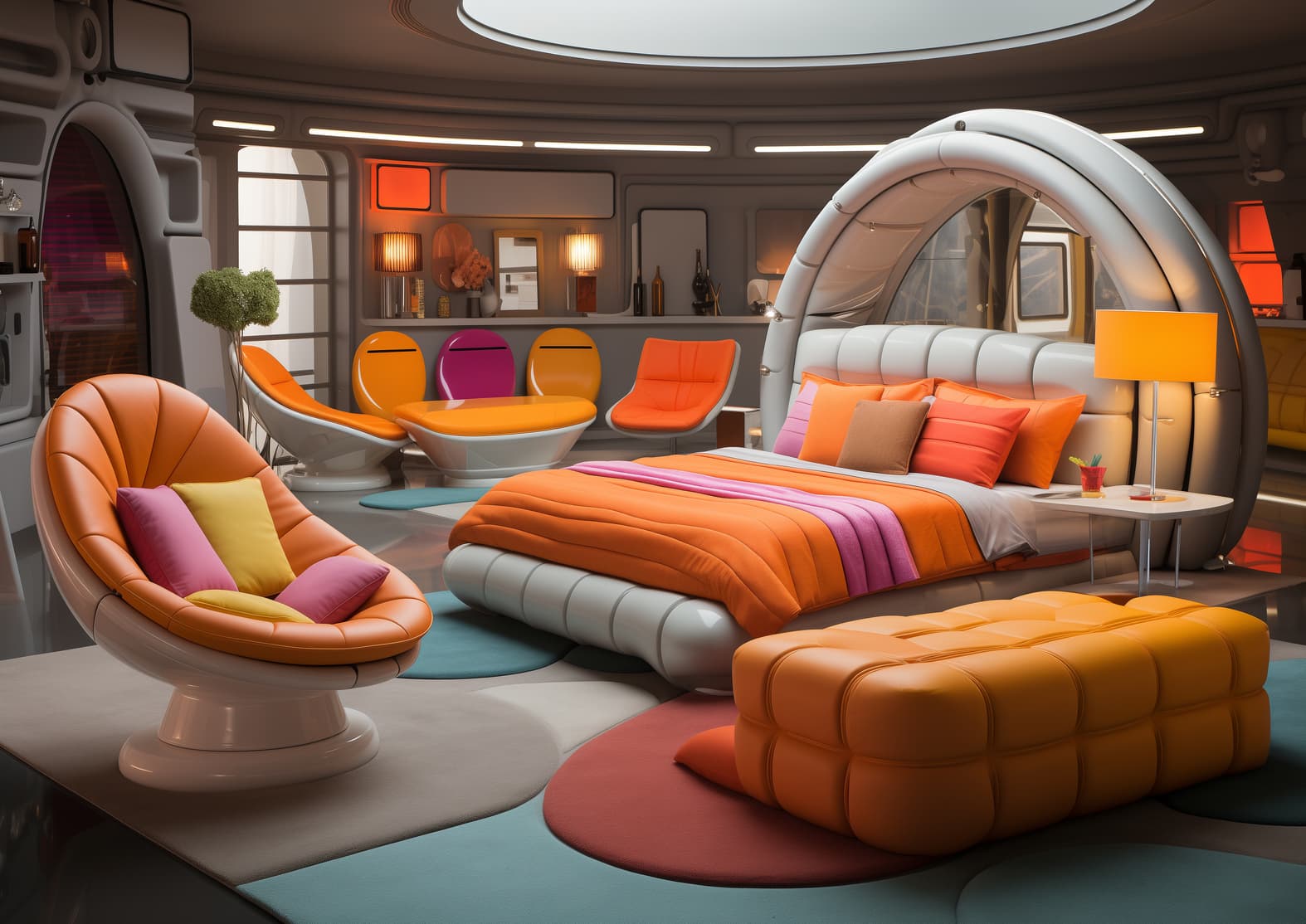
Carbon-Neutral Interior Design Concepts for Modern Homes

Modern homeowners are increasingly conscious of their environmental footprint, and interior design is playing a pivotal role in the journey towards sustainability. Carbon-neutral interior design for modern homes means creating beautiful, functional living spaces that generate net-zero carbon emissions. From the materials and furniture we choose to the way we light and heat our homes, every design decision can move a home closer to carbon neutrality. In this in-depth guide, we'll explore how you can transform your home's interior into a carbon-neutral, eco-friendly space without sacrificing style or comfort.
What Does Carbon-Neutral Interior Design Mean?
Carbon-neutral interior design refers to designing indoor spaces so that they contribute no net release of carbon dioxide into the atmosphere. In practice, this means reducing and offsetting both the operational emissions (like energy used for lighting, heating, and cooling) and the embodied emissions (the carbon footprint of materials and furniture production) associated with your home's interior. A carbon-neutral home interior uses sustainable materials, highly efficient appliances, smart design strategies, and sometimes renewable energy or offsets to balance out any remaining emissions. The goal is a living space that is as close to zero impact as possible on the climate.
Achieving carbon neutrality in interior design involves a holistic approach. It's not just about adding a few "green" decor pieces; it's about thoughtful choices at every step. This includes selecting low-carbon or carbon-sequestering building materials, designing for maximum energy efficiency, and incorporating nature and technology in innovative ways. The good news is that modern design trends and advanced tools (including AI and virtual design platforms) are making it easier than ever to create interiors that are both stylish and sustainable. In the following sections, we'll break down key concepts and strategies to help you design a carbon-neutral modern home.
Sustainable Materials and Finishes
One of the cornerstones of carbon-neutral interior design is using sustainable, low-carbon materials and finishes. The materials that make up our floors, walls, furniture, and decor can have a large carbon footprint due to manufacturing and transport. By choosing materials that are natural, renewable, or recycled, you significantly cut down on embodied carbon in your home.
- Use renewable and reclaimed materials: Opt for materials that regenerate quickly or repurpose existing resources. For example, bamboo flooring and cork tiles are fast-growing, renewable options that look chic in modern homes. Reclaimed wood is another excellent choice — repurposing old timber for flooring, beams, or furniture adds character to your home and avoids the emissions from producing new wood products. Similarly, recycled metal or glass for fixtures and decor can provide a contemporary aesthetic while being eco-friendly.
- Low-carbon and carbon-sequestering products: Some materials actually lock away carbon from the atmosphere. Wood and other biomaterials (like hemp, jute, or cork) store carbon throughout their life. Using wood from responsibly managed forests (look for FSC-certified lumber and furniture) not only ensures new trees are planted to replace the ones used, but also keeps carbon stored in the wood of your interiors for decades. There are even innovative wall materials like hempcrete or insulated panels made from agricultural waste that have much lower carbon footprints than traditional concrete or drywall.
- Eco-friendly finishes and fabrics: Paints, finishes, and fabrics should be chosen with care. Conventional paints and varnishes can emit harmful chemicals (VOCs) and have significant manufacturing emissions. Instead, choose low-VOC or zero-VOC paints and natural finishes (such as plant-based oils or waxes). These improve indoor air quality and reduce health risks while cutting down on petroleum-based ingredients. For fabrics (upholstery, curtains, rugs, bedding), favor natural fibers like organic cotton, hemp, linen, or wool. Not only do these materials avoid plastics and synthetic production emissions, but they also biodegrade at end of life. Many designers are now also sourcing recycled textiles or fabrics colored with natural dyes to further reduce the environmental impact.
- Locally sourced and handcrafted elements: Whenever possible, source materials and decor from local artisans or manufacturers. Locally made furniture or tiles, for instance, have a smaller transport footprint. Handmade and local items often use traditional low-impact techniques and support your community's economy. Incorporating a locally crafted wooden dining table or a rug handwoven from natural fibers can be a beautiful statement of both style and sustainability.
By consciously selecting materials and finishes, you create the foundation of a carbon-neutral interior. Every choice — from a reclaimed wood coffee table to eco-friendly paint on the walls — adds up to significantly lower the overall carbon emissions of your home's design. And as a bonus, these materials often bring unique textures and warmth, giving your modern home a distinct, authentic character.
Energy Efficiency and Smart Technology
Reducing the energy consumption of your home's interior is critical to achieving carbon neutrality. An energy-efficient home not only lowers carbon emissions, especially if your electricity comes from fossil fuels, but also saves you money on utility bills. Modern interior design can cleverly integrate technology and smart planning to minimize energy usage for lighting, heating, cooling, and appliances.
1. Lighting: Swapping out old light bulbs for LED lighting is one of the simplest and most effective steps. LEDs use a fraction of the energy of incandescent or CFL bulbs and last much longer, which means less waste over time. In your design, maximize the use of natural light to reduce the need for artificial lighting during the day — this might involve strategic window placement, skylights, or using sheer curtains to let daylight in. When you do use artificial lights, consider installing smart lighting systems with sensors or timers. Smart lights can automatically dim or turn off when no one is in a room, ensuring no electricity is wasted. They can also adjust brightness and color temperature to mimic natural light, creating a comfortable ambience that aligns with circadian rhythms.
2. Climate Control: Heating and cooling are often the biggest energy guzzlers in a home. To design a carbon-neutral interior, focus on passive climate control and efficient appliances. Good insulation in walls and ceilings and quality windows (double or triple-glazed with low thermal emissivity coatings) will prevent heat loss in winter and keep out heat in summer, reducing the need for constant heating or air conditioning. Window treatments like thermal curtains or blinds can further improve insulation at night or during hot afternoons. Additionally, consider installing a smart thermostat — these devices learn your schedule and temperature preferences, optimizing heating/cooling cycles and avoiding energy waste when you're out of the house. Modern heat-pump HVAC systems or energy-efficient space heaters and ceiling fans can maintain comfort with much lower electricity usage. Even something as simple as using area rugs can help insulate floors and keep a room warmer in winter naturally.
3. Energy-Star Appliances: When renovating a kitchen or laundry room, choose energy-efficient appliances. Refrigerators, ovens, dishwashers, washing machines, and dryers now come with Energy Star ratings (or similar efficiency labels in your region) that indicate lower electricity (and often water) consumption. An efficient refrigerator or an induction cooktop (which uses electricity more effectively than gas or traditional electric coils) can significantly cut down carbon emissions over its lifetime. Also, modern induction stoves and convection ovens not only save energy but also often provide superior performance, merging sustainability and convenience.
4. Smart Home Integration: Embracing smart home technology is a modern way to manage energy use cleverly. Smart plugs and power strips can cut power to devices on standby, eliminating "vampire" electricity draw from chargers or electronics when not in use. You can program lights and thermostats to an eco-mode when you're asleep or away. Some advanced homes even use AI-powered systems to monitor and adjust energy usage in real-time, learning your habits and optimizing for both comfort and efficiency automatically. For example, AI-driven climate control might predict when to pre-cool your home on a hot day using cheap solar power or turn appliances on/off based on peak energy times to reduce strain on the grid. These technologies are increasingly user-friendly and can be integrated into interior design seamlessly (imagine sleek touch-screen panels or voice-controlled assistants that blend into a modern living room).
By prioritizing energy efficiency in your interior design, you tackle the operational side of carbon emissions head-on. A combination of simple upgrades (like LEDs and efficient appliances) and high-tech solutions (like smart home devices) can drastically lower the energy needs of a house. If you pair these reductions with clean energy (for instance, a home solar panel system or purchasing green power from your utility), your interior can operate with virtually zero carbon footprint. Energy efficiency is truly a win-win: immediate savings for you and long-term benefits for the planet.
Designing for Longevity and Flexibility
A often overlooked aspect of sustainable, carbon-neutral design is longevity. The most eco-friendly product is one you don't have to replace frequently. Designing your home's interior with durable materials and timeless style means fewer remodels and less frequent buying of new items — which in turn means fewer resources consumed and less waste over the years. In short, longevity and quality are key allies in reducing the carbon footprint of your home.
Choose quality over quantity: Instead of furnishing a room with many inexpensive, low-quality pieces that might wear out or go out of fashion quickly, invest in a few well-made, classic pieces of furniture. A solid wood dining table, a sturdy sofa with a replaceable cover, or a high-quality light fixture might cost more upfront, but these items can last for decades. By not having to replace them every few years, you avoid the carbon emissions associated with manufacturing and shipping new furniture repeatedly. Timeless design also means you won't feel the need to redecorate as often to keep up with trends — your space will have a lasting appeal.
Flexible and modular design: Plan interiors that can adapt to your changing needs, so you don't have to undertake major renovations (which are resource-intensive) every time life circumstances change. This might mean choosing modular furniture that can be reconfigured or expanded, like sectional sofas or shelving systems that can be rearranged. In a child's room, for example, a modular bed set can transform from a crib to a toddler bed to a full-size bed as the child grows, eliminating the need to buy entirely new furniture at each stage. In living areas, movable partitions or multi-purpose rooms (like a home office that can double as a guest room) make the space versatile. By designing for flexibility, you extend the functional life of your interior layout and avoid the carbon impacts of frequent demolition and rebuilding.
Repairability and upgradability: Seek out furniture and products that are designed to be repaired, not tossed out. Many modern sustainable brands offer sofas with replaceable cushions or electronics with swappable parts. Even for built-in elements like cabinetry or flooring, consider options that allow section-by-section replacement. For instance, carpet tiles can be replaced individually if one gets stained, rather than ripping out an entire carpet. Hardwood floors can be refinished multiple times over decades. Choosing fixtures with standard fittings (lighting, plumbing) makes it easier to fix or upgrade parts without altering surrounding surfaces. The longer each element of your interior can function, the lower its annual carbon cost becomes.
Timeless aesthetics: In terms of style, carbon-neutral interior design often aligns with classic or neutral aesthetics that don't date quickly. Neutral color palettes, simple lines, and balanced proportions ensure that a space won't feel "out of style" in a few years. This doesn't mean your home has to be boring or all beige — you can still express personality through art, textiles, or accent pieces — but the major elements (like floors, large furniture, built-in cabinets) can be selected for long-term appeal. Many sustainable design enthusiasts draw inspiration from styles like Scandinavian or Japandi design, which emphasize natural materials, functionality, and minimal ornamentation. These styles inherently encourage sustainability by valuing craftsmanship and simplicity over short-lived trends.
By designing interiors with longevity and flexibility in mind, you create a home that can gracefully evolve over time. This approach not only reduces waste and the need for new resources, but also builds a deeper sense of connection with your space — you curate items and features that truly last and continue to bring joy. Carbon-neutral living is not about constant change to chase the newest eco-gadget; it's about making mindful choices once and benefitting from them for years to come.
Upcycle, Reuse, and Thrift: Eco-Friendly Décor on a Budget
You don't need a luxury budget to start implementing carbon-neutral design concepts. In fact, reusing and upcycling existing items is one of the most budget-friendly and carbon-saving strategies. Every item you give a second life to is one less item that needs to be produced from scratch and one less piece of waste in a landfill. Embracing second-hand finds and DIY projects can result in interiors that are unique, full of character, and gentle on the planet.
Thrift and vintage treasures: Make your local second-hand store or online marketplace the first stop for decor and furniture. You can often find high-quality pieces of furniture (solid wood dressers, antique chairs, retro light fixtures) that with a little cleaning or minor repairs will look stunning in your home. Older furniture is often very well-made, and by buying vintage you're not only saving money but also preventing the carbon emissions that would come from manufacturing a new equivalent piece. Blending vintage items with modern elements is a popular design trend that adds personality to spaces — think a mid-century modern armchair reupholstered in an organic cotton fabric, or a set of vintage glass vases repurposed as decor accents. Each second-hand piece has a story and can become a conversation starter in your home.
Upcycle with creativity: Upcycling means taking something old or unwanted and transforming it into something useful and beautiful. This is where you can get creative and DIY-savvy. For example, you can turn reclaimed wood planks into a gorgeous headboard or open shelves. An old ladder can be repainted and converted into a rustic bookshelf or plant stand. If you have an old dresser that's seen better days, consider repainting it with low-VOC paint and maybe adding new eco-friendly hardware to give it a fresh look — or even convert it into a bathroom vanity by adding a sink basin on top. Wooden shipping pallets can be cleaned, sanded, and fashioned into anything from coffee tables to garden planters. If a chair's upholstery is worn out, reupholster it with a sustainable fabric and eco-friendly foam; if the frame is sturdy, there's no need to throw the whole chair away. The internet is full of DIY inspiration for turning would-be junk into stylish home furnishings. Not only do these projects reduce waste, but they also result in one-of-a-kind pieces that reflect your personal touch.
Mix and match old with new: Incorporating reused items doesn't mean your entire home must look like a flea market. The key to a chic sustainable interior is balance. Pair a refurbished vintage table with modern chairs made of sustainable wood. Use antique light fixtures in a room with contemporary minimalist decor for an eclectic vibe. By mixing eras and styles, you create a layered look that designers love — it makes a home feel lived-in and authentic rather than a catalog display. And importantly, every time you keep an old item in use, you avoid the carbon emissions of manufacturing and shipping a new one.
Eco-conscious shopping habits: When you do need to buy something new, think long-term and ethical. Support brands that use recycled materials or that have take-back programs for their products. Look for labels that indicate sustainable production methods. Sometimes spending a bit more on an ethically made item will ensure it lasts longer and has a smaller environmental impact. And remember to donate or sell items you no longer need instead of discarding them, so someone else can continue the cycle of reuse.
Upcycling and reusing prove that carbon-neutral design isn't just good for the planet — it can also be deeply rewarding and cost-effective. You'll save money, unleash your creativity, and fill your home with items that tell a story. Each repurposed piece or thrifted find reduces demand for new goods and cuts down on pollution and energy use. It's truly a case of "designing with what you have" and discovering that sustainable living can be stylish, personal, and fun.
Biophilic Design: Bringing Nature Indoors
A key concept in eco-friendly, carbon-neutral interiors is biophilic design, which means integrating natural elements into your home's decor and layout. Biophilic design not only helps the environment but also improves your well-being. Humans have an innate affinity for nature, and by incorporating nature into indoor spaces, you create a healthier and more inspiring home.
Indoor plants and greenery: One of the simplest ways to bring nature inside is to decorate with indoor plants. Houseplants act as natural air purifiers, absorbing carbon dioxide and releasing oxygen. While a few potted plants won't offset all your home's emissions, they do contribute a bit to cleaner indoor air and can slightly improve humidity balance. More importantly, plants make us feel good — studies show that having greenery around reduces stress and increases happiness. You can start with easy-care plants like snake plants, pothos, or peace lilies that thrive in typical indoor conditions. For a modern statement, consider a living wall or vertical garden in your living room or kitchen, where a collection of plants grows on a mounted panel, creating a green artwork that also filters air. If you have space, large potted trees like a fiddle-leaf fig or a rubber plant can create an indoor "forest corner" and connect your home to the rhythms of nature.
Natural light and views: When designing layout and choosing window treatments, consider how to maximize natural light and sightlines to the outdoors. Sunlight not only reduces the need for electric lighting (saving energy), but also has positive effects on mood and health. Large windows, glass doors, or even sun tunnels can brighten a space naturally. Position seating or work areas near windows to make the most of daylight. Additionally, try to maintain views of greenery — if your home faces a garden or trees outside, keep those views unobstructed. If you live in an urban area without much nature around, you can simulate a natural view by using nature-inspired art or photography, or even high-definition digital displays that show scenes of forests or oceans, to create a calming backdrop.
Natural materials and textures: Beyond plants, biophilic interiors use materials that evoke nature. Incorporate wood, stone, bamboo, cork, or rattan in your furnishings and finishes to create an organic feel. A stone accent wall, a jute rug, or wooden ceiling beams can bring the essence of earth into your home. These materials are often sustainable in their own right (especially if sourced responsibly) and add a tactile warmth that modern synthetic materials can't match. Textiles in natural fibers with botanical or earthy patterns (like leaf motifs or earthy color palettes) also reinforce the connection to nature. Even the color scheme of your interior can be nature-inspired: think greens, browns, soft blues, and neutrals that mirror the outdoors.
Well-being and harmony: Biophilic design is as much about human psychology as it is about sustainability. A home rich in natural elements tends to make its occupants feel calmer and more focused. Consider dedicating a small space for relaxation or meditation with natural elements — perhaps a cozy reading nook by a window with a big plant nearby, or a bathroom turned into a spa-like retreat with wooden accents and plenty of plants. Water features like a small indoor fountain can introduce the soothing sound of flowing water, and good ventilation ensures you always have fresh air circulating. By designing interiors that nurture this nature connection, you indirectly foster a mindset of environmental responsibility. When you feel in tune with nature in your daily life, making other sustainable choices becomes almost second nature.
Incorporating biophilic design elements is a beautiful way to blur the line between inside and outside. It reminds us that we are part of the larger ecosystem even when we're indoors. A greener, nature-infused interior not only contributes to a carbon-neutral goal but also creates a sanctuary where you can escape the concrete and digital world and reconnect with the living earth, right in your home.
Minimalism and Multi-Functional Spaces
Another hallmark of carbon-neutral interior design is minimalism — the idea that less is more. By curating your living space to include only what's truly needed and what brings you joy, you inherently reduce wasteful consumption. Minimalist design isn't about living in empty, austere rooms; it's about being intentional with what you own. Each piece in a minimalist home tends to serve a purpose (often more than one purpose) and is chosen for quality and longevity. This approach dovetails perfectly with sustainability.
Declutter and simplify: Start by evaluating the items in each room and consider what can be removed or pared down. A cluttered home often has redundant or rarely-used items that could be donated or recycled. By decluttering, you not only create a more serene environment, but you also highlight the pieces you truly value. In a carbon-neutral context, owning fewer things means you've consumed fewer resources overall. It also means there's less to maintain, repair, or replace, which saves energy and effort down the line. Many people find that adopting a semi-minimalist lifestyle brings a sense of peace and clarity, as your home contains items that reflect your values rather than piles of stuff.
Multi-functional furniture: Look for furniture that can serve multiple roles. In modern small-space design (like urban apartments), this is almost a necessity, but it's useful in larger homes too. A sofa that converts into a guest bed, a coffee table that lifts into a dining table, or nesting ottomans that can double as both seating and storage are examples of multi-functional pieces. By having one item do the job of two or three, you reduce the total number of pieces needed. Fewer pieces mean fewer materials used and usually a smaller manufacturing footprint. There are clever contemporary designs for modular sofas, expandable dining tables, and desks with integrated shelving that maximize utility with minimal material. Beyond furniture, think multi-purpose rooms: can a corner of your living room function as a home office with the addition of a fold-away desk? Can your kitchen island include bookshelves so it's also a mini-library? Every square foot in a home that serves several functions is a square foot well-utilized, preventing the need for larger homes or additional furniture.
Design with purpose: Minimalist, sustainable design also encourages you to choose a neutral, cohesive style so items can easily move between rooms or uses. If you stick to a consistent design theme and color palette throughout your home, it's easier to repurpose items as your needs change. For example, a set of simple wood chairs might start at a dining table, but later you could use a couple as desk chairs or on the patio if they fit the overall aesthetic. A durable bench might move from the entryway to the foot of a bed. When everything works well together, you feel less need to constantly buy new decor for different rooms or seasons — you can shuffle what you have and achieve a "new look" without new purchases.
Quality and maintenance: A minimalist sustainable home favors having a few high-quality items rather than many cheap ones. We touched on quality over quantity in the longevity section, and minimalism fully embraces that. Take care of the items you do own — maintain them, clean them, fix them if they break. This mindset extends their life so you won't be shopping for replacements soon. It's a virtuous cycle: owning less makes it easier to maintain what you have, which means things last longer and you continue to avoid new consumption.
By adopting elements of minimalism and multifunctionality in your interior design, you streamline both your life and your carbon footprint. Spaces feel more open and calming, and you'll likely find it easier to focus on what matters — whether that's family time, hobbies, or simply relaxing — without the distraction of excess stuff. A modern carbon-neutral home often embodies this ethos: it's uncluttered, flexible, and efficient, proving that sustainability can enhance your lifestyle by simplifying it.
Embracing Technology: AI and Virtual Interior Design
In the era of smart homes, technology is a powerful ally in designing carbon-neutral interiors. Not only can gadgets make a home more energy-efficient, but new digital tools and AI-powered design platforms are changing how we plan and visualize sustainable living spaces. Using virtual interior design services and AI, homeowners can make informed, eco-friendly choices before they even lift a hammer or buy a piece of furniture. This prevents waste, saves time and money, and often leads to better outcomes. Let's look at how modern technology — including the emerging trends of AI kitchen remodel, AI decorate my room, and AI landscape design tools — can support your journey to a greener home.
Virtual planning and visualization: Gone are the days when you had to imagine how a new layout or piece of furniture might look in your space. With virtual interior design apps and software, you can create a 3D model of your room and experiment with changes in real-time. Want to see how a living room would appear with sustainably sourced wood flooring and different furniture arrangements? Virtual design platforms let you do that with a few clicks. You can swap wall colors to low-VOC paint options, drop in various pieces of furniture (with known eco-friendly brands or materials), and even adjust lighting to mimic natural daylight at different times. This process helps avoid trial-and-error in real life, which can be costly and wasteful. For instance, rather than buying a couch and then realizing it doesn't fit or match (leading to returns or replacements), you can virtually ensure it's right for the space and your sustainable criteria from the start.
AI-driven design assistants: Artificial intelligence is making its way into home design in surprising ways. There are now tools where you can simply upload a photo of your room and receive AI-generated suggestions for redesigning it. Some platforms function like an "AI decorate my room" service — they might produce mood boards or layouts based on your style preferences and sustainability goals. These AI interior design assistants can quickly generate multiple concepts for you to consider, sparking ideas you might not have thought of. Importantly, you can set parameters (for example, "show me eco-friendly options" or "use only energy-efficient lighting in the design") so the AI focuses on carbon-neutral solutions. It's like having a smart brainstorming partner that's read all the design magazines and environmental reports out there.
AI kitchen remodel planning: Kitchens are one of the most energy-intensive and material-heavy areas of the home, so remodeling a kitchen with sustainability in mind can greatly boost your carbon-neutral credentials. Specialized AI kitchen remodel tools allow you to visualize different layouts and features for a greener kitchen. You can experiment with placing an Energy Star refrigerator in one corner, or expanding a window to add more natural light over the cooking area, or compare how various countertop materials (like recycled glass vs. quartz vs. FSC-certified wood) look and perform. The AI can even suggest optimizations — for example, pointing out where you could add more drawers for efficient storage (reducing the need for additional furniture) or recommending induction cooktops and smart ventilation placements for better energy use. By exploring these options virtually, you ensure that when you actually renovate, you choose the design that best balances aesthetics, functionality, and sustainability.
Landscape design and home integration: Carbon-neutral interior design also benefits from thinking about the outdoor environment of your home. For instance, the way your yard is landscaped can influence your home's heating and cooling needs (trees for shade, windbreaks, etc.), and a sustainable landscape can enhance overall carbon sequestration. AI landscape design tools let you upload a photo or plan of your yard and get ideas for eco-friendly landscaping. They can propose where to plant trees or shrubs to provide natural cooling shade over your house or recommend native plants that thrive without excess watering or chemicals. You can virtually "try out" a rain garden, a green wall on an exterior, or solar-powered outdoor lighting layouts. By coordinating your interior design with your landscape (e.g., ensuring windows align with where you plan trees or gardens outside), you create a harmonious, whole-home approach to sustainability. Some AI tools bridge inside and outside, helping you design an integrated living space — imagine a suggestion to add a sliding glass door to connect a naturally cooled patio to your living room, extending your living space without expensive construction.
Global expertise at your fingertips: Virtual interior design also connects you with experts and inspiration worldwide. You can consult with sustainability-focused interior designers remotely, sending them your room plans and getting professional input without anyone needing to travel. This not only saves travel-related carbon emissions but also gives you access to a broader range of ideas. Perhaps an expert in green design from Scandinavia or Japan (where small, efficient living is common) could provide tips for your project through an online session. There are also online communities and forums where people share their experiences using various eco-friendly materials or technologies, so you can learn what works best in real homes.
Embracing AI and virtual design tools is a smart move for modern eco-conscious homeowners. These technologies reduce the guesswork and help ensure that the choices you make are truly aligned with your carbon-neutral goals. They also often reveal creative solutions — you might discover a space-saving layout or a new sustainable product through these digital explorations. By planning virtually with AI's help, you can feel confident that when you bring your design to life, it will be both beautiful and in harmony with the environment. The future of interior design is one where high-tech and green living go hand in hand, and homeowners can say, "I designed this room with the help of AI to be stylish, functional, and 100% eco-friendly."
Bringing It All Together: Toward a Carbon-Neutral Home
Designing a carbon-neutral interior is an ongoing journey, but it's one that is increasingly achievable and rewarding in today's world. By combining the strategies discussed — from choosing sustainable materials and reducing energy use to embracing minimalism, nature, and even cutting-edge AI tools — you can transform your home into a model of modern sustainable living. Importantly, you don't have to implement everything at once. Every small step counts: maybe you start by swapping in LED bulbs and adding a few plants this month, then refinish a thrifted piece of furniture next month, and plan for an energy-efficient appliance upgrade when the old one wears out. Over time, these efforts accumulate into a home that not only looks and feels wonderful, but also aligns with your values of environmental responsibility.
One common question is whether creating a carbon-neutral home interior is expensive. It's true that some investments, like high-quality insulation or solar panels, can require upfront funds. However, many carbon-neutral design choices are cost-effective or even money-saving in the long run. Simple habits like buying second-hand, upcycling, or using smart thermostats can actually save you money immediately. And investments in efficiency (better appliances, insulation, etc.) usually pay for themselves through lower utility bills. Think of sustainable design as a wise, long-term investment in both your home and the planet. Moreover, as eco-friendly products become mainstream, the cost difference is shrinking — you can now find affordable non-toxic paints or reasonably priced furniture made from sustainable wood. Designing with longevity in mind also means you won't be re-spending money every few years to replace things. In short, sustainability done smartly is often economically savvy too.
Finally, remember that carbon-neutral interior design is not about perfection or eliminating every single emission (which can be nearly impossible); it's about balance and intention. You might still have a carbon footprint, but drastically lower than a typical home, and you can look for ways to offset what you can't eliminate (for instance, supporting reforestation projects or installing a home solar panel system to feed clean energy back to the grid). The beauty of this approach is that your home becomes a living example of how style, comfort, and sustainability can co-exist. It's a conversation starter for guests and a daily inspiration for your family.
In conclusion, carbon-neutral interior design concepts for modern homes are not just theoretical ideals — they are practical, attainable strategies that anyone can begin to implement. The result is a home that nurtures its occupants and the Earth alike. As you arrange your virtual interior design plans, experiment with that AI kitchen remodel idea, or step back to admire your thrifted and refurbished decor, you're participating in a positive change. Each eco-conscious choice is a vote for a healthier, greener future. By reimagining our living spaces through the lens of sustainability, we create modern homes that truly feel like part of the solution. Your home can be more than a shelter; it can be a statement of caring for the planet — and that is a beautiful, powerful design vision for the years ahead.
Ready to Design Carbon-Neutral?
Start your journey to a carbon-neutral home with Decory.ai and explore sustainable design solutions.
Try Decory AI NowFAQs
1. What is carbon-neutral interior design?
Carbon-neutral interior design is an approach to designing home interiors that produce net-zero carbon emissions. It focuses on reducing both operational emissions (energy use for lighting, heating, and appliances) and embodied emissions from materials, furniture, and finishes, often combined with renewable energy or carbon offsets.
2. How can I make my home interior carbon-neutral?
You can make your home interior carbon-neutral by using sustainable materials, improving energy efficiency, choosing energy-efficient appliances, integrating smart home technology, and designing spaces that last longer. Reusing furniture, upcycling décor, and planning layouts digitally also help reduce carbon impact.
3. What materials are best for carbon-neutral interior design?
The best materials for carbon-neutral interior design include reclaimed wood, bamboo, cork, recycled metal or glass, natural fibers like linen and wool, and low-VOC paints. These materials have lower embodied carbon and are often renewable, recycled, or carbon-sequestering.
4. Does smart home technology help reduce carbon emissions?
Yes, smart home technology helps reduce carbon emissions by optimizing energy use. Smart thermostats, lighting systems, and energy-efficient appliances automatically adjust based on occupancy and usage patterns, reducing wasted electricity and heating or cooling energy.
5. Can AI tools support carbon-neutral interior design?
AI tools support carbon-neutral interior design by helping homeowners plan layouts, materials, and lighting digitally before making physical changes. This reduces design mistakes, unnecessary purchases, and material waste while optimizing space, energy efficiency, and sustainability.