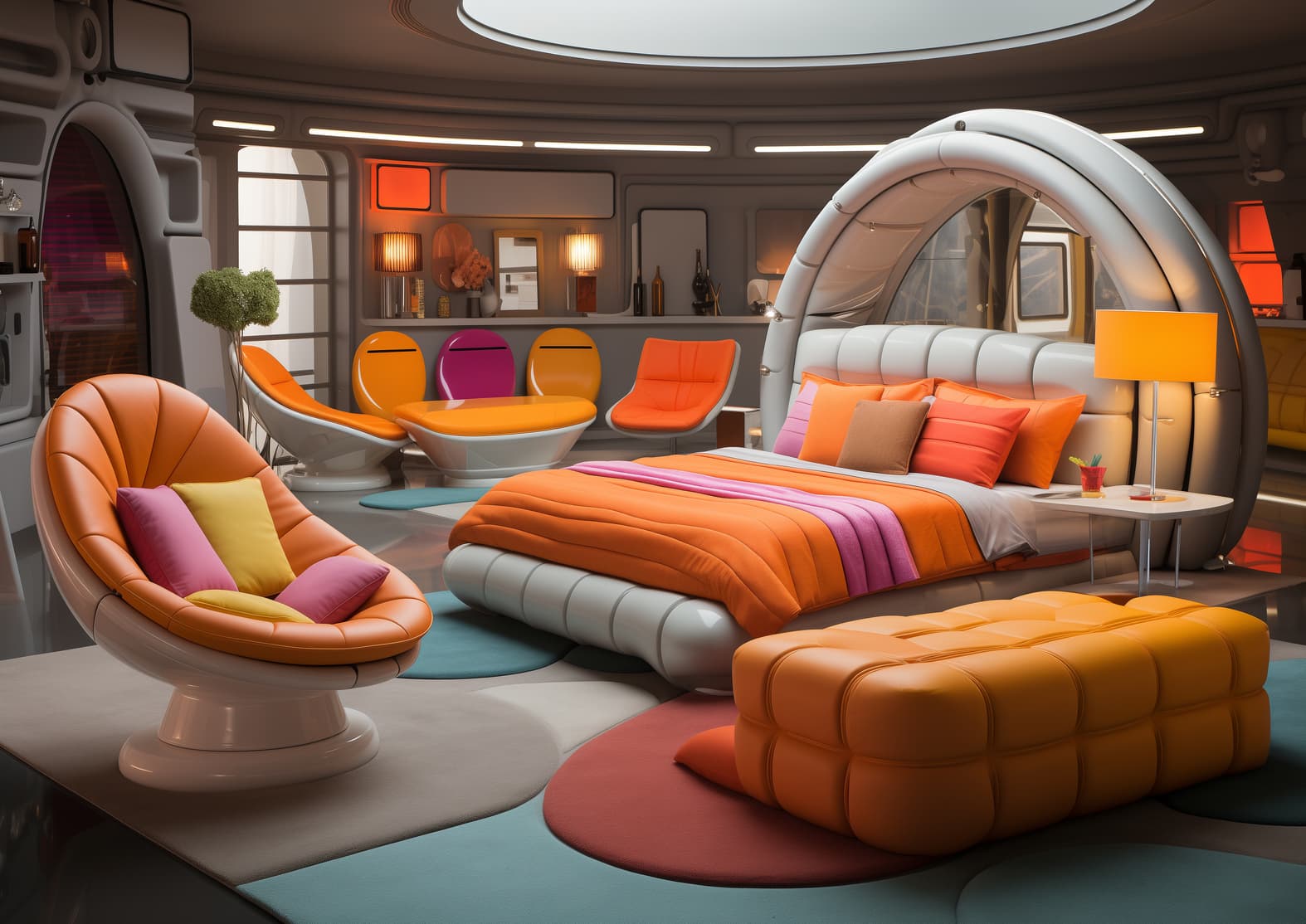
Emotion-Driven Interior Design: Creating Spaces That Feel Good

Emotion-driven interior design is all about crafting rooms that not only look stylish but also make you feel good as soon as you walk in. It means designing your home with mood and well-being in mind. By carefully choosing colors, lighting, furniture, and decor that match the emotions you want to experience (calm, cozy, energized, etc.), you create a space that supports your happiness and comfort. The goal is simple: a home that feels as good as it looks, whether you use a professional room decorator or a virtual interior design tool to plan it.
Why Interior Design Affects How You Feel
Your surroundings have a powerful impact on your emotions and daily mood. Think about how you feel in a bright, cluttered office versus a softly lit, cozy living room. Interior design elements like color, light, texture, and layout send signals to your brain that can influence your stress levels, productivity, and overall happiness. For example, a room design with soothing blue or green tones can help you feel calmer, while a space filled with natural sunlight and plants might boost your mood and reduce anxiety. On the other hand, cramped layouts or harsh lighting can make you feel tense or uneasy. This is why creating spaces that feel good isn't just about aesthetics - it's about designing an environment that nurtures positive emotions and well-being. By understanding the psychology of space, you can make intentional design choices that improve your mental and emotional state at home.
Key Elements of a Feel-Good Room Design
Emotion-driven interior design involves many of the same elements as any good design, but approached with feeling in mind. Here are some key elements and how they influence our emotions:
1. Color Psychology in Interior Design
Colors have a well-known effect on mood. Choosing the right color palette is essential for a feel-good space. In general, soft, muted colors and cohesive palettes create a sense of harmony and calm. For instance, earth tones, gentle blues, greens, or neutral shades (beige, gray, off-white) tend to be calming and welcoming. These colors make a room feel relaxing by avoiding jarring contrasts. Bright colors like bold reds, yellows, or neon accents can add energy and joy when used intentionally, but too many vivid colors might feel overwhelming. To create a uplifting atmosphere, decide what emotion you want to evoke in each room. A bedroom might use cool blues or lavender for tranquility, while a creative home office could include a pop of yellow or orange to inspire energy. The key is balance - simplified color schemes without too many competing hues will read as more cohesive, allowing your mind to feel at ease in the space.
2. Lighting and Ambiance
Lighting sets the mood in any room. Have you noticed how a room with harsh fluorescent lights can feel stressful, while one with a warm glow feels cozy? To design a space that feels good, opt for soft, layered lighting. During the day, maximize natural light - sunlight has a positive effect on mood and makes a room feel open and alive. In the evening, use warm-toned bulbs and multiple light sources: mix an overhead dimmable light with floor or table lamps and perhaps some candles or LED string lights for ambiance. This layered approach eliminates sharp shadows and creates a gentle, relaxing glow. For example, in a living room or bedroom, lamps with warm shades can cast a soothing light that signals your mind to unwind. Consider the purpose of each space too: a kitchen or home office may need brighter task lighting plus ambient lighting to switch to a relaxed mode after work. Good lighting design means you can adjust the brightness and warmth to suit your mood, essentially sculpting the emotional atmosphere of the room throughout the day.
3. Natural Materials and Biophilic Touches
Bringing nature into your interior design can instantly make a space feel more grounding and refreshing. Natural materials like wood, stone, bamboo, cotton, and linen have textures and tones that create an organic, calming vibe. For example, wooden furniture or flooring adds warmth and stability, while houseplants introduce life and better air quality, reducing stress. A vase of fresh flowers, a jute rug, or woven baskets can contribute to that earthy, comforting atmosphere. This concept, often called biophilic design, taps into our innate desire to connect with nature. By incorporating greenery and natural finishes, you can decorate your room in a way that soothes your nervous system. A simple potted plant on a shelf or a wall decorated with nature-inspired art can remind you of the outdoors and create a sense of peace indoors. These organic elements not only look beautiful but also help eliminate the sterile or overly synthetic feeling that can sometimes make a room feel cold or unwelcoming.
4. Comfortable Textures and Furniture
The way a room feels isn't just visual - it's also tactile. Surrounding yourself with comfortable, inviting textures makes a huge difference in emotional comfort. Think of the instant coziness of a plush rug underfoot, a soft throw blanket, or a cushioned sofa you can sink into. Layering a variety of soft textures signals the body and mind to relax. For instance, you might add a velvet or knitted throw pillow on a smooth leather chair to balance it with a touch of softness. Use curtains, cushions, and bedding that are pleasant to touch and in soothing fabrics like cotton, linen, or chenille. When choosing furniture, favor ergonomics and comfort: a well-padded lounge chair with a rounded back can feel more welcoming than a sharp-edged modern piece. In fact, curved shapes in furniture (rounded tables, arched lamps, circular mirrors) tend to create a subtle sense of ease because they guide the eye gently around the room, unlike harsh angles. Ultimately, a mix of textures - rough and smooth, soft and firm - adds depth and a cozy "hug-like" feeling to your room design.
5. Space Layout and Clutter Control
How you arrange your room can affect whether it feels tranquil or tense. A feel-good space usually has a thoughtful layout that promotes easy movement and a sense of openness (even if the room is small). Start by decluttering and organizing - too many messes or an overload of furniture can make a room feel chaotic and stressful. Embrace the idea that "less is more" when aiming for emotional comfort. Choose a layout that fits the function: for example, in a social space like a living room, arrange seating in a way that encourages conversation and connection (chairs facing each other, a cozy area rug anchoring the group). Leave enough negative space (empty floor or wall areas) so the room doesn't feel crowded - this gives the eye a place to rest. Pay attention to flow: you should be able to walk around without dodging obstacles. If a narrow hallway or a tight corner is unavoidable, use mirrors and light colors there to make it feel more open. Also consider personal zones for different activities: a reading nook by the window with a comfy chair can become a little sanctuary for calm. By editing your belongings and furniture placement thoughtfully, you create a sense of order and breathing room, which translates into a more peaceful feeling whenever you're in that space.
6. Personalization and Meaningful Décor
A space feels truly good when it reflects you and supports your life. Surround yourself with décor that brings positive emotions, whether it's family photos, travel souvenirs, or artwork you love. These personal touches foster a sense of belonging and happiness in your home. Rather than decorating by strict trends, incorporate items that tell your story or inspire you. Perhaps it's a favorite color throw pillow that makes you smile, or a vintage lamp passed down from a grandparent that gives you comfort. Displaying a few cherished objects on a shelf can spark joy every time you see them. Room decorator experts often say that a well-designed space should engage the senses: consider adding a pleasing scent (like a lavender diffuser for calm or citrus for energy) and soft background music when you use the room, to further enhance the mood. The key is not to clutter every surface with knick-knacks, but to curate your decor to those pieces that are meaningful and aligned with the feeling you want. When your home feels personal and authentic to you, it naturally feels more inviting and emotionally satisfying to live in.
Using Virtual Interior Design and AI to Plan Your Perfect Mood
Designing for emotion has become even more accessible with modern technology. Virtual interior design services allow you to plan and preview your room's look and feel digitally before making changes in real life. For instance, many professional designers now offer online consultations, using video calls and digital mood boards to help homeowners visualize different design options. You can collaborate with a designer remotely and see 3D renderings or even augmented reality previews of furniture in your actual room. This is a great way to test how different colors or layouts might affect the vibe - without lifting a paintbrush or moving heavy furniture first!
Even if you're not working with a human designer, room design AI tools are available to assist as your personal "AI room decorator." Platforms like Decory are AI-powered apps that let you virtually decorate your room from scratch or based on a photo of your current space. These tools use artificial intelligence to generate design ideas, suggest color schemes, and even place furniture in a realistic rendering of your room. If you've ever thought, "Can an AI decorate my room to make it feel cozy or stylish?", the answer is yes - to an extent. For example, with Decory you can upload a picture of your living room, choose a style or mood (modern, rustic, calming, etc.), and the AI will quickly show you a redesigned room concept. This virtual interior design approach helps you experiment with different looks and emotions before you commit in reality.
The benefit of using an AI room decorator is that you can easily try multiple design iterations: Want to see how your bedroom would feel with a calming Scandinavian minimalist design versus a colorful bohemian vibe? Simply let the room design AI generate both versions. You might discover that one option feels much more "you" than the other. These tools save time and money by avoiding trial-and-error purchases, and they're fun to play with. However, remember that AI suggestions are starting points - you should still tailor the design to your personal comfort. Technology can show you how a space might look, but only you know how it truly makes you feel. Use virtual designs as a test run for emotions: if the digital mockup with cool colors and sleek furniture feels a bit cold, you can adjust by adding warmer tones or softer textures in the app until the image of the room gives you a sense of delight or calm. Then you'll have a clear plan to achieve that feel-good space in real life.
Quick Tips to Make Any Room "Feel Good"
- Bring nature inside: Add plants, natural wood, or stone elements to create an organic, calming atmosphere.
- Layer lighting: Use soft, warm lighting (lamps, dimmers, candles) instead of a single harsh light source for a cozy glow.
- Simplify your color scheme: Stick to a cohesive palette with gentle, muted colors and limit loud patterns to avoid overwhelming the senses.
- Add cozy textures: Incorporate rugs, cushions, and throws that are soft to touch - they signal comfort and relaxation.
- Declutter and organize: A clean, well-arranged space with a sensible layout instantly reduces stress and feels more inviting.
In summary, emotion-driven interior design is a mindful way to decorate, ensuring your home supports your desired mood and lifestyle. Whether you're using a traditional designer or the latest AI room design app, always circle back to how a space makes you feel. A well-designed room isn't just visually pleasing - it's a place that can comfort you on tough days, energize you when you need a boost, and ultimately improve your quality of life. By paying attention to the details that influence emotions (from the paint color on the walls to the glow of your bedside lamp), you can create a home that truly feels good every time you step inside.
People Also Ask
Q: What is emotion-driven interior design?
A: Emotion-driven interior design is an approach to decorating that prioritizes how a space makes you feel. Instead of focusing solely on looks or trends, this design philosophy considers the emotional responses evoked by colors, lighting, furniture, and decor. The goal is to create rooms that support positive feelings (like calm, happiness, or inspiration) for the people using them. For example, an emotion-driven design for a bedroom might use soothing colors, soft textures, and gentle lighting to encourage relaxation and comfort.
Q: How does interior design affect your mood?
A: Interior design can significantly affect mood and mental well-being. Elements like color and light influence our psychology - bright natural light can boost your mood and energy, while dim or poor lighting may contribute to stress or sadness. Colors also play a role; cool blues and greens tend to calm people, whereas vibrant yellows or reds can energize or sometimes agitate. A cluttered, cramped space might make you feel anxious or overwhelmed, while a tidy, well-organized room promotes peace of mind. Even furniture layout matters: an open, easy-to-navigate layout can make you feel freer and more at ease than a messy, disorganized room. In short, thoughtful design choices create an environment that can either improve your mood or negatively impact it, so designing with emotions in mind leads to a healthier, happier space.
Q: What colors make a room feel relaxing?
A: Soft, muted colors generally make a room feel most relaxing. Examples include pale blues, gentle greens, light grays, and neutral earth tones like beige, cream, or soft taupe. These colors have a calming effect and remind us of nature (sky, water, earth), which helps reduce stress. Pastel shades or colors "dulled" with a bit of gray tend to be more soothing to the eye than intense, vibrant hues. In a relaxing space, it's also helpful to use a harmonious color scheme - for instance, variations of one color or colors next to each other on the color wheel (like blue and green) - rather than high-contrast combinations. While accent colors can be used sparingly, it's best to avoid too many bold, bright colors in a relaxation room, as those can be stimulating. Instead, stick to a simple palette and bring in depth through textures and lighting for a truly serene feel.
Q: How can I decorate my room to feel more cozy and comfortable?
A: To make your room feel cozier and more comfortable, focus on warmth, softness, and personal touches. Start with lighting: swap any harsh overhead lights for warm-toned bulbs or use lamps that cast a gentle glow. Next, add cozy textures - think plush area rugs, fuzzy throw blankets, and lots of cushioned pillows. These not only physically keep you comfy but also give the room a "hug-like" ambiance. Incorporate natural elements like wood, knit fabrics, or greenery (plants) to bring an organic warmth. Keep the color scheme warm and soothing; shades like creamy whites, soft grays, or pastels can work well, possibly accented by a warm color like dusty rose or amber in small doses. Declutter the space so it's relaxing to look at - everything should have its place. Finally, decorate with a few personal items that make you happy (photos, artwork, or memorabilia) to create a sense of familiarity and contentment. A combination of these changes will transform a plain room into a welcoming, cozy retreat.
Q: Can I use AI or virtual interior design tools to improve my room's mood?
A: Yes, AI and virtual interior design tools can be great for improving your room's mood. These tools serve as a virtual "room decorator" by helping you visualize changes before you make them. For example, an app like Decory (an AI room decorator platform) lets you upload a photo of your room and then generates design ideas and mood-specific decor suggestions. You can try out different color schemes, furniture arrangements, and styles virtually - including options aimed at certain feelings, like a calming spa-like bedroom or an energizing home office. By using such room design AI tools, you can experiment with how different designs make you feel without buying anything upfront. It's a low-risk way to find the look that best creates a positive vibe. Once the AI shows you a design that looks and feels right (maybe it suggests a more open layout and softer colors for a better atmosphere), you can implement those changes in your real room. Keep in mind that AI can provide ideas, but you should always tweak the design to suit your personal comfort. Overall, virtual design tools are helpful assistants for creating a space that genuinely feels good to you.