Japandi Interior Design with AI: Why 46% of Homebuyers Want This Style in 2026
If you've been scrolling through interior design feeds lately, you've probably noticed a trend that's hard to miss: the rise of Japandi interior design. This fusion of Japanese minimalism and Scandinavian coziness is no longer a niche aesthetic—it's become the go-to choice for people seeking calm, beautiful homes that don't sacrifice warmth for simplicity.
Here's the surprising part: 46% of homebuyers surveyed in 2026 actively prefer Japandi-style homes over traditional designs. This isn't just a passing fad. It represents a genuine shift in how people view their living spaces. They want interiors that balance clean lines with comfort, minimalism with personality, and function with beauty.
The interesting development? AI interior design tools are now making it easier than ever to achieve this aesthetic without hiring an expensive designer. With AI room design technology, you can visualize exactly how Japandi style will look in your actual space before committing to a single design choice.
Let's explore why Japandi interior design is dominating 2026, and how AI is transforming the way homeowners plan their spaces.
What Is Japandi Interior Design?
Japandi interior design is exactly what it sounds like: a thoughtful blend of Japanese and Scandinavian design principles. It's wabi-sabi meets hygge—the beauty of imperfection combined with the warmth of hygge comfort.
Japanese design philosophy emphasizes simplicity, functionality, and respect for natural materials. It celebrates negative space and the transient nature of life. Think clean lines, uncluttered rooms, and furniture with purpose.
Scandinavian design, by contrast, prioritizes warmth and livability. It's about creating spaces where people actually want to spend time. Warm woods, soft textiles, and intimate lighting are core to the Nordic aesthetic.
When these two design traditions merge, something remarkable happens. You get Japandi interior design—a style that feels both serene and inviting, minimalist yet deeply comfortable.
The key principle is functional minimalism. Every piece in a Japandi room serves a purpose. There's no excess, but there's also no coldness. Natural textures like linen, ceramic pottery, and warm wood tones replace the sterile materials sometimes found in pure minimalist design. The result is a space that feels peaceful rather than empty.
Why Japandi Is Dominating 2026 Home Design Trends
The timing of Japandi's rise makes sense. After years of maximalism and trend-obsessed decorating, homeowners are craving something different. They want spaces that reduce stress rather than add to it.
Calm interiors are no longer a luxury—they're a necessity. We're living in increasingly chaotic times, and people instinctively want their homes to be their sanctuary. Japandi delivers exactly that: a serene environment without feeling sterile or unwelcoming.
Another reason for Japandi's popularity is that it's genuinely small-space friendly. In 2026, more people are living in apartments and compact homes. Japandi's emphasis on negative space and multifunctional furniture makes even tiny apartments feel spacious and breathable. You don't need a sprawling mansion to create a beautiful Japandi home.
From a sustainability perspective, Japandi also appeals to environmentally conscious homeowners. The style celebrates natural materials—wood, wool, linen, ceramic pottery—that age beautifully and last for years. Unlike trends that require constant refreshes, Japandi creates timeless interiors. A well-made wooden table or quality ceramic piece becomes more beautiful with time, not less.
The aesthetic also transcends generational preferences. Japandi appeals equally to young professionals, growing families, and empty-nesters. It works across different cultures and climates. Whether you live in London, Sydney, or New York, Japandi feels natural and appropriate.
Perhaps most importantly, Japandi interior design is forgiving. There's no need for everything to match perfectly or follow strict rules. Imperfection is built into the philosophy. A slightly chipped ceramic bowl or weathered wooden frame adds character rather than detracting from it.
How AI Is Transforming Japandi Interior Design
The intersection of AI interior design and Japandi aesthetics is where things get interesting. Historically, achieving a cohesive design style required either hiring a designer or spending countless hours pinning images on Pinterest and hoping everything worked together.
AI interior design tools have changed this equation entirely. Now, you can visualize complex design concepts in minutes, not months. Among the best AI interior design tools for 2026, many specialize in helping homeowners visualize styles like Japandi without the guesswork.
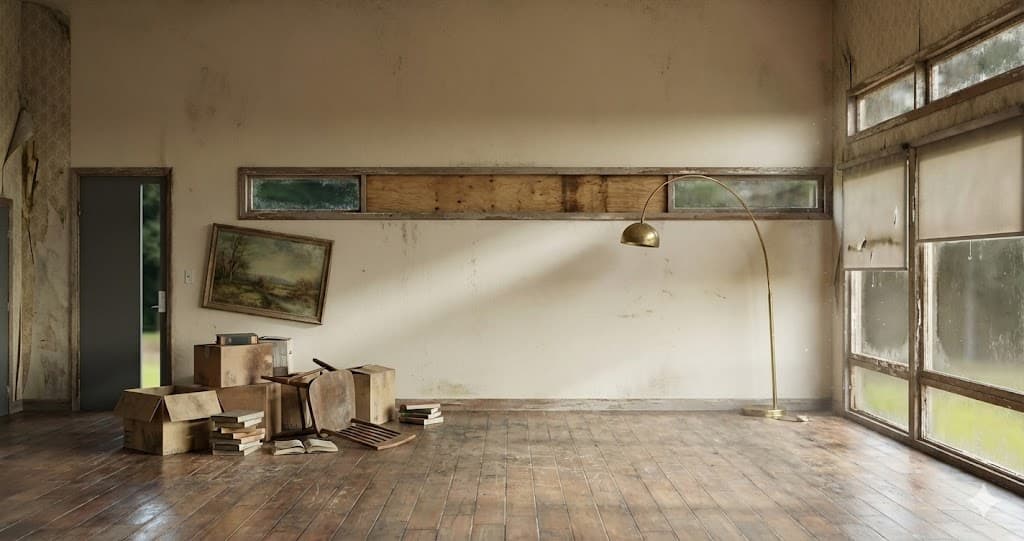
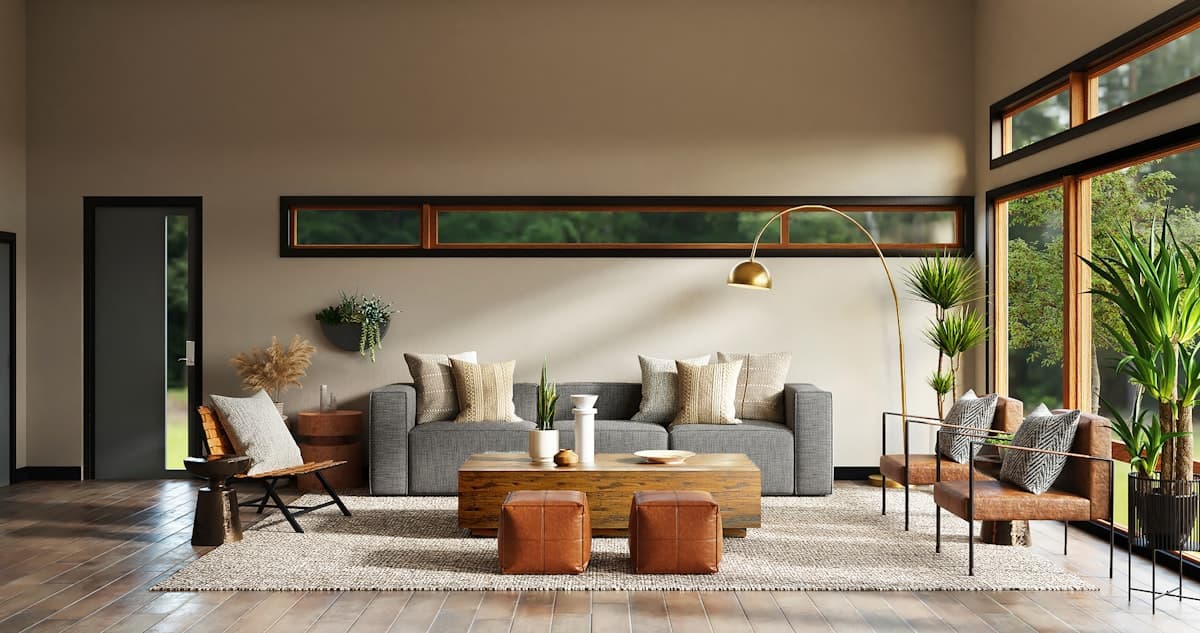
With AI room design technology, you upload a photo of your actual space and select "Japandi" as your preferred style. The AI analyzes your room's dimensions, natural light, existing elements, and architectural features. Then it generates multiple design variations showing exactly how Japandi would look in your specific room—not some generic showroom.
Decory AI specializes in this exact use case. You can upload your room, select Japandi as your style preference, and instantly see how this aesthetic transforms your actual space with proper proportions, lighting, and balance.
This is particularly powerful for Japandi because the style relies on balance. Too much minimalism, and you lose warmth. Too much coziness, and you sacrifice the clean aesthetic. Interior design AI can generate options that hit the right balance, letting you see the proportions and color combinations before you make purchasing decisions.
The AI also handles the technical aspects that most people struggle with. How much negative space is too much? What's the right ratio of natural wood to neutral walls? How do you light a minimal space so it feels warm rather than dim? These are questions that AI can answer through visualization.
Additionally, AI home design tools help with furniture placement. Low furniture is central to Japanese design, but placing pieces incorrectly can actually make a room feel cramped. AI optimizes layouts based on traffic flow, sightlines, and the principle of functional minimalism that defines Japandi.
Japandi Design for Bedrooms and Living Spaces
Japandi works beautifully across all rooms in your home, but it's particularly effective in bedrooms and living areas. For Japandi bedroom design, focus on low bed frames, quality linen bedding, and muted wall colors. A Japandi bedroom becomes a true sanctuary—restful, warm, and intentional.
AI Japandi Living Room Ideas for 2026
Let's get specific about what Japandi living rooms look like in 2026, and how AI helps you achieve this look:
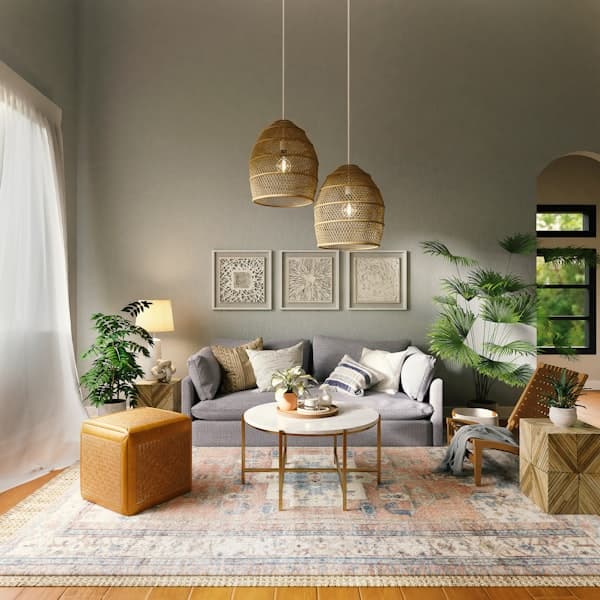
Low furniture Japanese aesthetic. Japandi living rooms typically feature low-profile seating. Rather than tall, imposing sofas, you'll see platform sofas, floor seating, and low wooden tables. This brings the eye level down and creates an inherently calm feeling. AI can show you exact proportions for your space.
Neutral palette dominance. The color scheme relies on soft, muted tones. Think warm grays, soft whites, natural beige, and warm wood tones. These neutral colors allow natural wood and textile textures to become the focal points. Accent colors, when used, are similarly muted—dusty sage, soft charcoal, or warm taupe.
Linen textures everywhere. Soft linen cushions, linen curtains, and linen upholstery define Japandi comfort. Unlike synthetic fabrics, linen ages gracefully and develops a beautiful patina. It also creates visual warmth within the neutral palette.
Ceramic pottery as decor. Rather than mass-produced accessories, Japandi celebrates handmade ceramics. A simple ceramic vase, a hand-thrown bowl, or artisanal pottery becomes sculptural decor. These pieces add subtle color variation and tactile interest.
Natural wood tones as anchors. Light oak, pale ash, or warm walnut create the foundational tones. These woods pair beautifully with neutral walls and linen textiles, creating visual interest through material quality rather than color.
Here are five concrete ideas for your Japandi living room design:
- Low-profile platform sofa in light gray linen with natural wood legs
- Wooden coffee table with minimal lines and visible wood grain
- Handmade ceramic vessels in various sizes arranged on floating shelves
- Soft wool rug in natural cream or taupe grounding the seating area
- Paper pendant lights or wooden fixtures providing warm, diffused lighting
Dark Japandi 2026: The New Minimalist Trend
While traditional Japandi leans toward light, neutral tones, 2026 is seeing a sophisticated evolution: dark Japandi. This trend takes the same principles of functional minimalism and applies them to deeper, moodier palettes.
Dark Japandi replaces creams and soft whites with charcoal walls, deep grays, and darker wood tones. However, it maintains the warmth principle by pairing these darker elements with warm lighting and light wood accents that create contrast.
The philosophy remains the same: every element serves a purpose, nothing is cluttered, and the space invites calm. But dark Japandi adds drama and sophistication. It feels more intimate, more modern, and surprisingly cozy despite the darker tones.
The key to dark Japandi is contrast. Dark walls need light wooden furniture to avoid feeling oppressive. Darker woods should be balanced with lighter textiles. Warm lighting becomes even more crucial—without it, dark Japandi can feel gloomy rather than serene.
This trend particularly appeals to smaller spaces because dark colors can make rooms feel more defined and intimate. In a compact apartment, dark Japandi creates a sophisticated, curated feel rather than looking cramped.
How to Create Japandi Style Using AI (Step-by-Step)
Creating your Japandi interior using AI interior design tools is straightforward. Here's the process:
Step 1: Take a clear photo of your room. Use natural lighting and capture the space from eye level. Include walls, windows, existing furniture, and architectural features. The AI interior design from photo approach works best when the photo clearly shows your space's current conditions. Better photo quality means more accurate AI analysis and better design generation.
Step 2: Upload to an AI design platform. Choose one that offers Japandi as a style option. Decory AI is specifically designed for this—it understands 2026 Japandi trends and generates multiple style variations in seconds. You can specify "Japandi minimalist," "dark Japandi," or let the AI suggest options based on your space and preferences.
Step 3: Generate design variations. The AI will typically produce 3–5 different interpretations of Japandi for your space. Each might emphasize different color palettes, furniture arrangements, or lighting approaches.
Step 4: Adjust colors and elements. Most AI tools let you customize the output. Want warmer wood tones? Darker walls? Different furniture proportions? You can typically refine the design until it matches your vision.
Step 5: Examine the final layout. Before making any purchases, study how the AI has arranged furniture. Does the flow feel right? Is there sufficient negative space? Would this layout actually work in your daily life?
The beauty of this approach is that you're testing ideas risk-free. You can visualize what a significant redesign will look like before spending thousands on furniture and decor.
Common Mistakes to Avoid in Japandi Interior Design
Even with AI interior design assistance, some pitfalls are worth avoiding:
Too much white. Japandi isn't Scandinavian minimalism alone—it needs warmth. Rooms that are purely white and gray, without the natural wood and textile warmth of Japandi, feel cold rather than calm.
Cluttered decor despite the aesthetic. Some people misunderstand minimalism as a lack of personality. Japandi absolutely has personality—it's just expressed through quality materials and thoughtful curation rather than quantity. A few beautiful ceramic pieces beat a shelf full of random items.
Insufficient lighting. Japandi spaces need soft, warm lighting to feel inviting. Dark wood and neutral tones can look depressing under harsh white light. Invest in warm LED bulbs and consider multiple light sources—overhead, task, and ambient.
Oversized furniture. Remember the Japanese principle of low furniture and open space. A massive sectional sofa in a modest living room violates Japandi principles regardless of color or material.
Ignoring natural light. Japandi celebrates natural materials and light. Rooms with poor natural light need creative solutions. Consider sheer linen curtains that diffuse light beautifully, or strategic mirrors that bounce light around the space.
Japandi Interior Design Checklist
Before finalizing your Japandi design, use this checklist:
- Neutral palette established (creams, soft grays, warm beiges, or dark Japandi tones)
- Clean lines and simple furniture shapes dominate
- Natural materials visible throughout (wood, linen, ceramic, wool)
- Minimal decor—only items that serve a purpose or bring genuine joy
- Soft, warm lighting from multiple sources
- Adequate negative space (nothing feels cramped)
- Low furniture positioning, creating sightlines across the room
- Mix of textures despite limited colors (wood grain, linen weave, ceramic glaze)
- Functional storage solutions that remain hidden or integrated
Conclusion
Japandi interior design has moved from niche aesthetic to mainstream preference because it solves real problems. It creates calm environments that resist going out of style. It works in small spaces. It aligns with sustainable values. And perhaps most importantly, it feels like home rather than a showroom.
The 46% of homebuyers preferring Japandi-style homes in 2026 aren't following a trend—they're making a deliberate choice to prioritize their wellbeing through thoughtful interior design.
With AI interior design tools, achieving this sophisticated aesthetic is no longer exclusive to people with designer budgets. You can visualize your Japandi transformation, test color palettes, optimize furniture placement, and build confidence in your design before spending a dollar.
Upload a photo of your room, select Japandi as your style preference, and instantly see how this aesthetic transforms your actual space. Test both traditional Japandi and dark Japandi variations. Visualize how natural wood tones, neutral palettes, and warm lighting work in your real home. Your calm, beautiful Japandi home might be just a few clicks away.
Ready to Transform Your Space?
Use Decory's AI-powered design tools to visualize your transformation. Upload a photo and explore endless possibilities in seconds.
Try Decory AI Now