AI Interior Design: Soft Luxury Trends Replacing Cold Minimalism
Minimalism dominated interiors for over a decade. Clean lines, white walls, flat cabinetry, and sparse styling defined modern homes across the USA. However, homeowners are now shifting toward something warmer, more layered, and more livable: soft luxury.
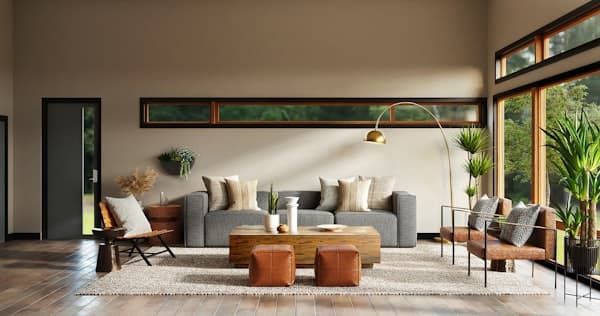
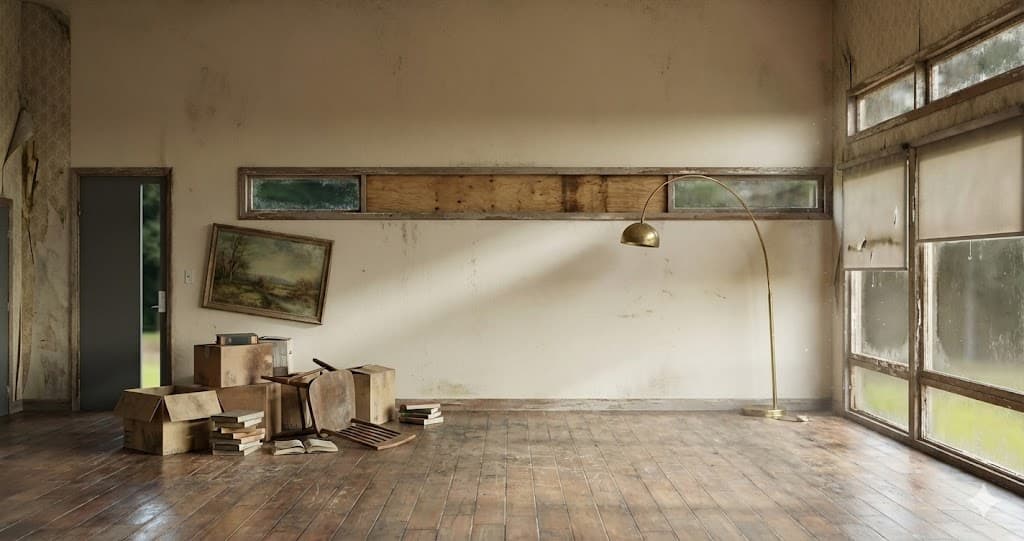
At the same time, AI interior design is transforming how Americans plan and visualize these evolving spaces. Rising renovation costs, confusing layouts, small urban apartments, and open-concept suburban homes have made traditional interior design both expensive and time-consuming. Many homeowners struggle to imagine how warmer materials, curved furniture, layered lighting, and texture-rich spaces will look before committing.
This is where AI becomes practical, not experimental.
Platforms like Decory.ai allow users to upload a photo of their room and instantly generate realistic design transformations. Instead of guessing, homeowners can preview soft luxury palettes, refined textures, and space-enhancing layouts in minutes — without hiring a designer upfront.
This guide explains how AI interior design works, why soft luxury is replacing cold minimalism, and how American homeowners can use AI to design smarter in 2025 and beyond.
What Is AI Interior Design?
AI interior design is the use of artificial intelligence to analyze room photos or dimensions and generate realistic design transformations, layouts, and style variations instantly. It uses machine learning models trained on architectural and decor data to suggest furniture placement, materials, lighting, and spatial improvements tailored to a user's home.
Why Soft Luxury Is Replacing Cold Minimalism
Minimalism once symbolized sophistication. However, many American homeowners now describe minimalist interiors as:
- Cold
- Echo-prone
- Impersonal
- Difficult to maintain
- Lacking warmth
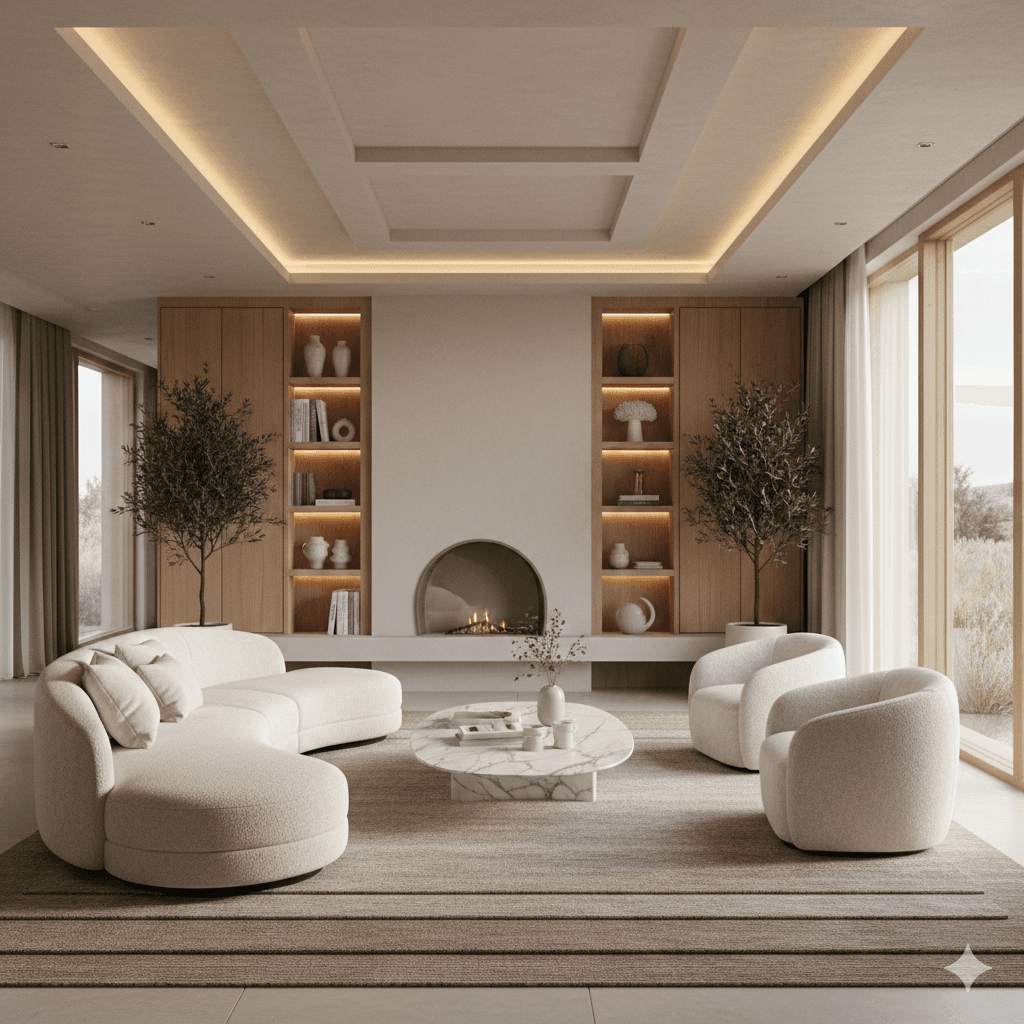
Soft luxury offers a refined alternative. Instead of stark whites and sharp lines, it introduces:
- Warm neutrals (taupe, mushroom, soft beige)
- Natural stone textures
- Curved furniture silhouettes
- Layered lighting
- Plush fabrics like boucle and velvet
- Subtle architectural detailing
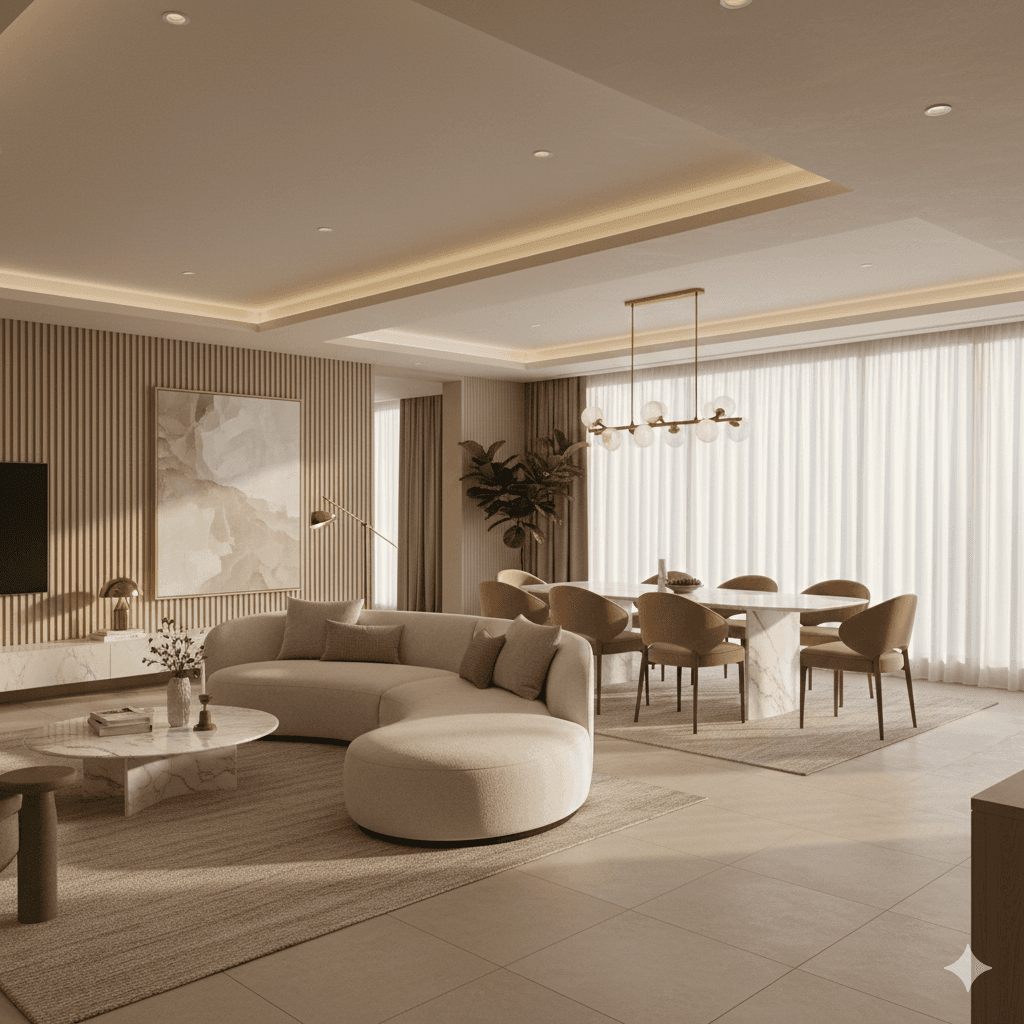
In suburban American homes with open floor plans, minimalism often leaves large spaces feeling empty. Soft luxury solves this by layering texture and warmth while maintaining elegance.
However, achieving balance is difficult without visualization. Too many textures create clutter. Too little contrast feels flat. This is where interior design AI tools become essential. AI helps homeowners test proportions, material mixes, and lighting combinations before investing in furniture or renovation.
How AI Interior Design Works
Modern room design AI platforms operate using image recognition and generative modeling.
Here's how the process typically works:
- Image Analysis — The AI scans your uploaded photo to detect walls, windows, flooring, ceiling height, and furniture placement.
- Spatial Mapping — It builds a digital model of the room, estimating scale and proportions.
- Style Application — The system applies selected styles such as soft luxury, modern organic, transitional, or contemporary.
- Material Simulation — Surfaces are replaced digitally — walls, flooring, cabinets, textiles — based on the chosen theme.
- Lighting Adjustment — The AI simulates natural and artificial lighting to match the style direction.
Unlike static mood boards, home interior design AI tools generate room-specific transformations, not generic inspiration images.
This makes AI practical for:
- Open-plan living rooms
- Suburban kitchens
- Compact apartments
- Townhouses with awkward layouts
Benefits of Using AI for Room Design
AI room design is not about replacing creativity. It enhances decision-making.
1. Faster Visualization
Traditional design consultations may take weeks. AI generates multiple concepts in minutes.
2. Cost Clarity
Seeing potential designs helps homeowners avoid purchasing incompatible furniture or finishes.
3. Layout Optimization
In American homes with open floor plans, furniture placement often feels uncertain. AI helps define zones for living, dining, and entertaining.
4. Style Exploration
Users can test soft luxury against modern farmhouse or transitional styles without risk.
5. Accessibility
AI removes geographic barriers. Whether you live in a suburban Texas home or a New York apartment, design support is available instantly.
6. Scalability
Homeowners can redesign one room or an entire house using the same system.
AI does not eliminate designers — it provides an accessible first layer of design clarity.
Step-by-Step: How to Use AI to Decorate a Room with Decory.ai
For homeowners wondering how to use AI to decorate a room, the process is straightforward.
Step 1: Upload a Room Photo
Take a clear, well-lit image of your space. Include as much of the room as possible.
Step 2: Choose a Design Style
Select soft luxury or other curated design directions available on the platform.
Step 3: Generate Transformations
Within seconds, the AI produces realistic variations of your room.
Step 4: Compare Layouts and Materials
Review different furniture placements, color palettes, and material combinations.
Step 5: Refine Your Direction
Use the generated designs to guide purchasing decisions or contractor discussions.
This workflow reduces uncertainty and helps homeowners move forward confidently.
AI Interior Design vs Traditional Interior Designers
| Feature | AI Interior Design | Traditional Interior Design |
|---|---|---|
| Cost | Low monthly or per-use fee | High hourly or project-based fees |
| Time | Minutes to generate designs | Weeks for consultation and revisions |
| Customization | High, style-based adjustments | Highly personalized but slower |
| Accessibility | Available anytime, anywhere | Limited by location and scheduling |
| Scalability | Multiple rooms instantly | Usually project-by-project |
AI is not a replacement for luxury full-service designers. However, for homeowners seeking clarity, speed, and affordability, AI provides significant value.
Cost Breakdown: Is AI Interior Design Worth It?
In the USA, traditional interior design services often range from hundreds to thousands of dollars per room depending on complexity.
By contrast, home decor AI platforms typically offer:
- Affordable subscription models
- Pay-per-render options
- No long-term contracts
For homeowners experimenting with soft luxury upgrades — such as new furniture, paint, or lighting — AI prevents costly mismatches and returns on furniture.
When evaluating ROI, consider:
- Reduced design errors
- Faster decision cycles
- Better furniture placement
- Clear renovation planning
For many households, AI is a cost-effective starting point.
Best Soft Luxury Styles for American Homes
Suburban Homes
Large living areas benefit from:
- Layered rugs
- Curved sectionals
- Stone coffee tables
- Warm recessed lighting
AI helps define zones in open floor plans without physical partitions.
Apartments
Compact spaces require:
- Multi-functional furniture
- Soft neutral walls
- Reflective surfaces
- Space-enhancing layouts
AI tests spatial balance without overcrowding.
Townhouses
Narrow layouts need:
- Visual continuity
- Strategic lighting
- Vertical storage
- Texture layering without clutter
AI optimizes layout efficiency while maintaining elegance.
Common Mistakes to Avoid with AI Room Design
- Uploading poorly lit photos
- Ignoring room scale
- Over-layering textures
- Copying trends without considering lifestyle
- Forgetting functional flow
AI provides guidance, but user judgment remains important.
Real-World Use Cases
- A homeowner redesigns an open-concept living area before purchasing a sectional.
- A first-time buyer tests soft luxury in a dated apartment.
- A property investor stages a listing digitally.
- A family compares kitchen upgrades before renovation.
These examples show practical applications of room design AI beyond inspiration.
People Also Ask
Is AI interior design accurate?
AI interior design is visually accurate for layout, color, and style simulation. While measurements should be verified before construction, it provides realistic previews for decision-making.
Can AI replace interior designers?
AI supports homeowners in early-stage planning. Complex renovations and luxury projects may still benefit from professional designers.
How much does AI interior design cost?
Most platforms offer affordable subscription or per-use pricing, significantly lower than traditional design fees.
Is AI room design worth it?
For homeowners seeking quick visualization and style experimentation, AI room design provides strong value and cost savings.
What is the best AI interior design tool in the USA?
Tools that allow real photo uploads and instant transformations provide the most practical benefits for American homeowners.
How does AI design small rooms?
AI optimizes layout, furniture scaling, and lighting simulation to improve spatial perception in compact spaces.
Can AI help with open floor plans?
Yes. AI defines zones and balances furniture placement in large open spaces.
Does AI work for kitchen renovations?
AI can simulate cabinet finishes, layouts, and material combinations before construction begins.
Expert Insights: The Future of AI in Interior Decoration
In 2025 and beyond, AI adoption in home design continues to expand. Homeowners expect faster decision cycles and digital previews before purchasing furniture or remodeling.
Emerging trends include:
- Hyper-personalized style algorithms
- Real-time furniture sourcing integration
- Improved lighting simulations
- Enhanced spatial measurement accuracy
Soft luxury aligns well with AI tools because it depends heavily on texture layering and tonal balance — elements that benefit from visualization.
Design professionals increasingly use AI as a presentation tool rather than a replacement. The future likely blends AI efficiency with human refinement.
Conclusion
Cold minimalism is giving way to soft luxury — warmer, layered, and more livable interiors designed for real American homes.
At the same time, AI interior design is changing how homeowners plan those spaces. By combining intelligent visualization with accessible technology, platforms like Decory.ai help users explore textures, layouts, and materials before committing financially.
Whether redesigning a suburban living room, refreshing an apartment, or planning a renovation, AI provides clarity, speed, and creative freedom.
Soft luxury is not about excess. It is about intentional warmth.
And with AI, that vision becomes visible before it becomes reality.
Ready to Design with Soft Luxury?
Start your AI interior design journey today with Decory.ai. Upload a photo and see your space transformed in seconds.
Try Decory AI Now